Pensieri verticali a Firenze
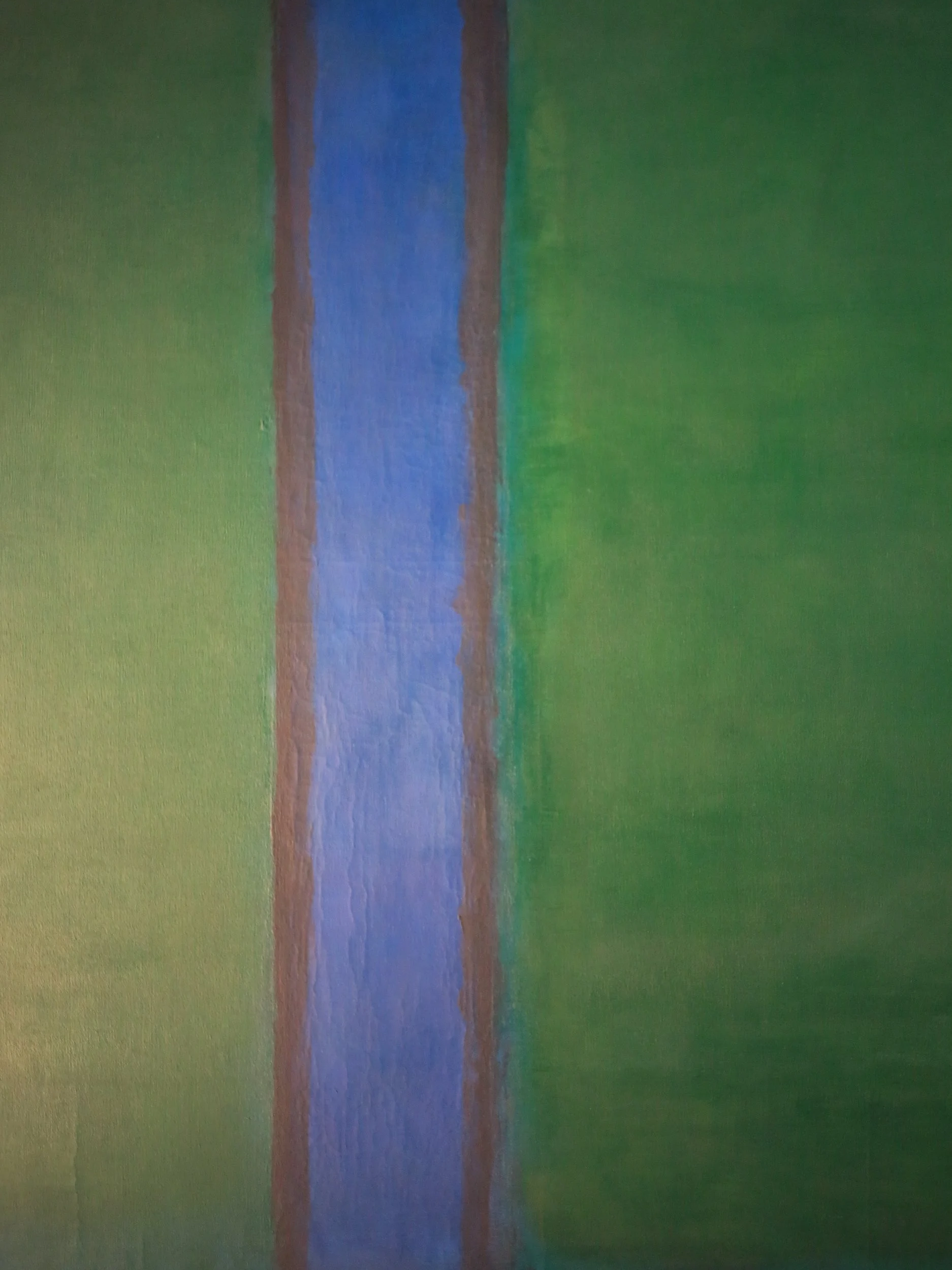
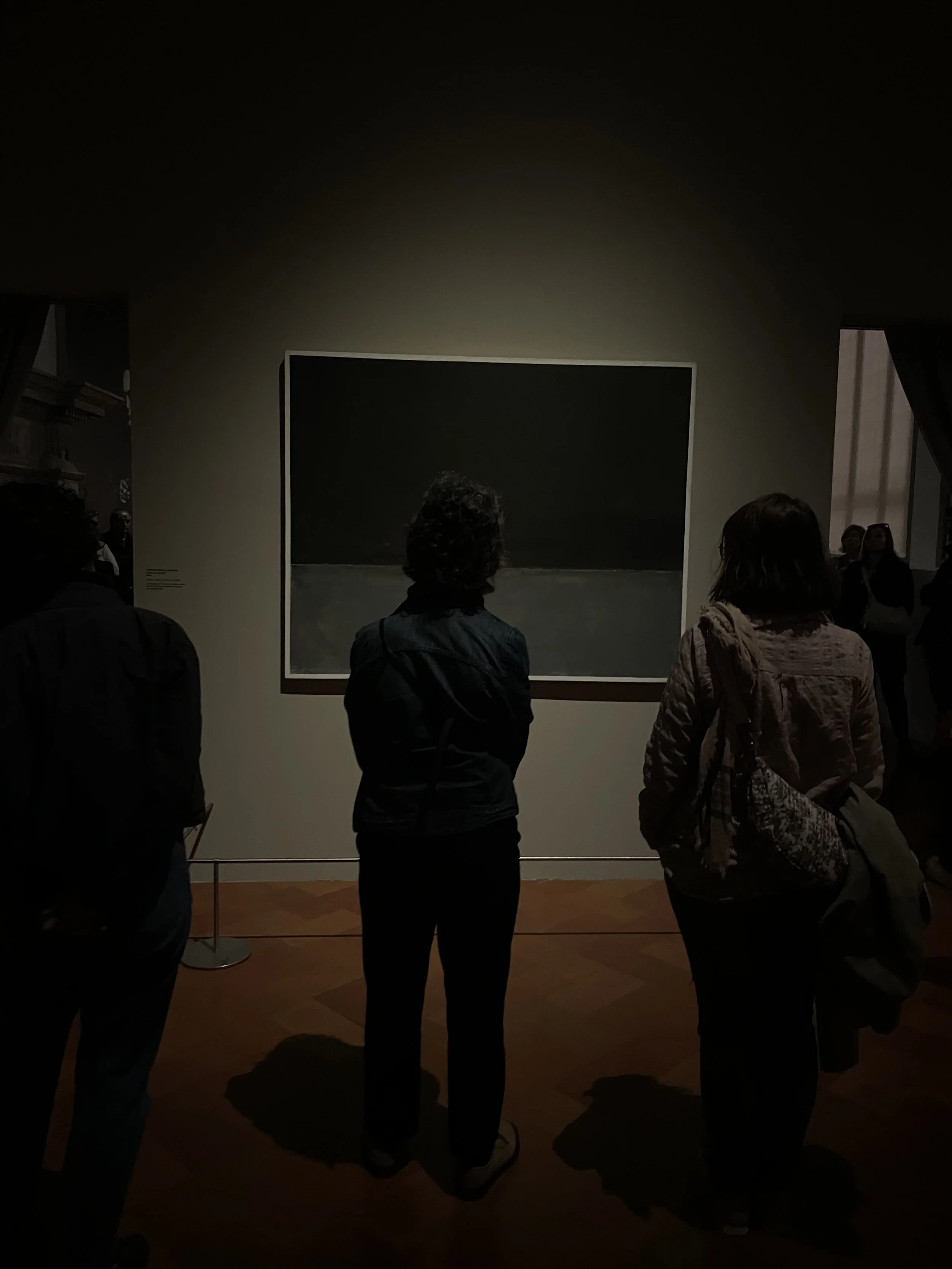
I quadri di Mark Rothko sono degli stargate nell'inconscio. Solo che il mio inconscio mi odia. Una sera a Firenze, dopo aver visitato la mostra di Palazzo Strozzi, sono tornato in albergo con un magma di pensieri, aiutato anche da qualche bicchiere di troppo di Chianti. Quella notte ho sognato un gruppo di bulli che se la prendeva con una ragazza. Intervenivo per difenderla e finiva che me le davano.
La mattina dopo ho continuato a chiedermi se fosse stato solo un sogno qualsiasi o se Rothko avesse dimenticato un pennello da qualche parte nella mia testa. Non ne ho idea, ma so soltanto che raramente una mostra mi aveva seguito fino al sonno, lasciandomi così inquieto.
Nel 1971, un anno dopo il suicidio dell'artista, apre a Houston la Rothko Chapel, uno dei luoghi più straordinari dell'arte del Novecento. Non è una chiesa nel senso tradizionale e non è nemmeno un museo. I collezionisti texani John e Dominique de Menil la immaginano come uno spazio aperto a credenti e non credenti, dove l'arte possa sostituire, almeno per qualche istante, il linguaggio della religione.
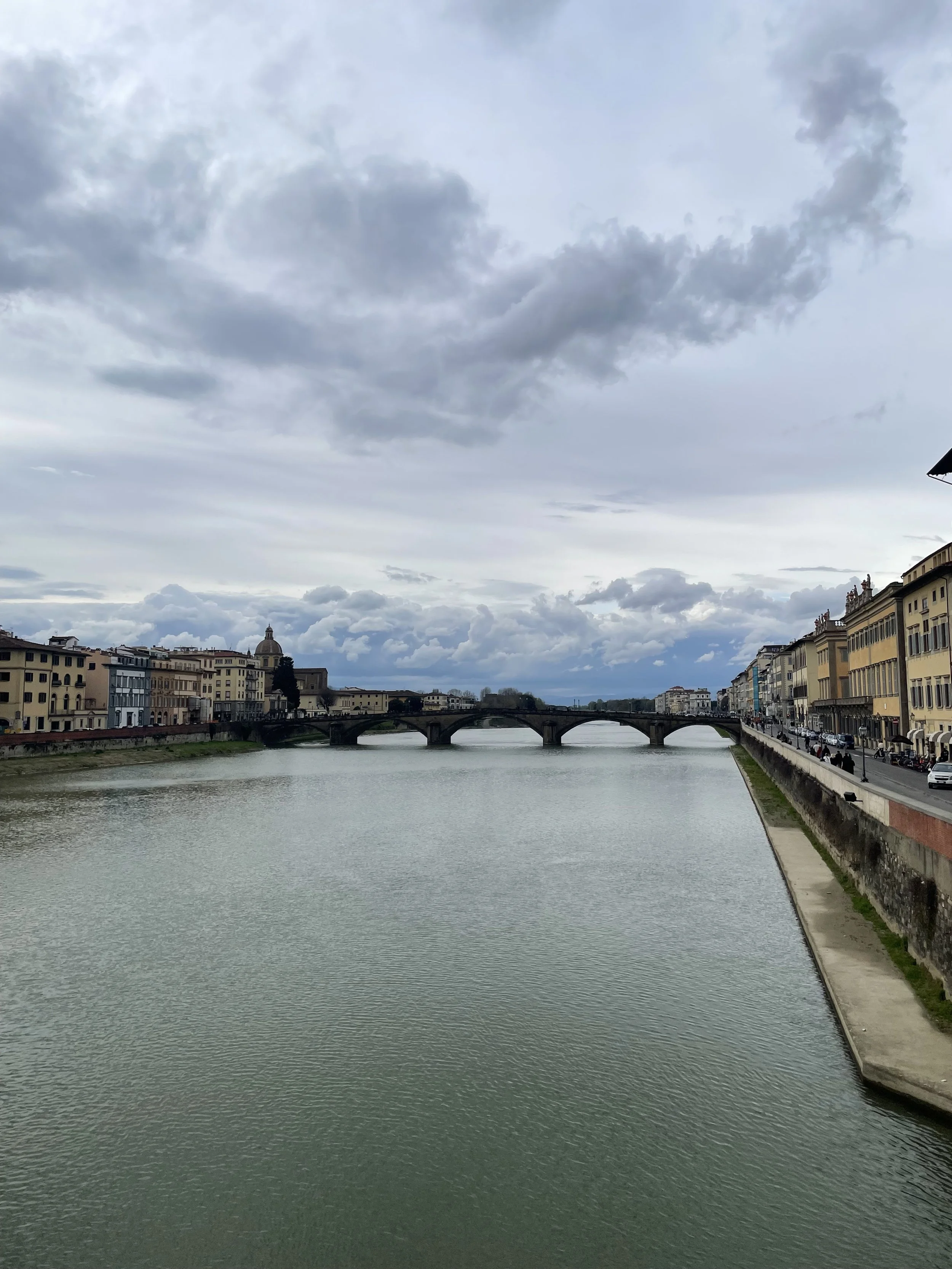
Rothko lavora al progetto per quasi sette anni, seguendo ogni dettaglio: dalla forma ottagonale dell'edificio, alla disposizione delle quattordici grandi tele monocrome che ne rivestono le pareti. Sono scure, silenziose, quasi immobili. È sorprendente come, strato dopo strato, il colore perda peso invece di acquistarlo. I quadri sembrano smaterializzarsi fino a diventare profondità pura. Più li guardi e più hai la sensazione di entrarci. Non fanno paura, ma incutono qualcosa come una specie di megalofobia concettuale: penso che ad entrarci dentro mi sentirei sperduto nell’immenso monocromatico e mi viene un po’ d’ansia.
Rothko, però, non vede mai la cappella completata. Nel febbraio del 1970 si toglie la vita nel suo studio di New York. È difficile non pensare a quella morte osservando quelle tele, anche se sarebbe ingiusto leggerle soltanto alla luce del suicidio. Dentro c'è molto di più: meditazione, silenzio, dubbio, solitudine.
Per l'inaugurazione della cappella, l'amico Morton Feldman compose Rothko Chapel. È una musica quasi priva di gravità: pochi strumenti, lunghi silenzi, note che sembrano rimanere sospese nell'aria. Feldman non prova a tradurre i quadri in musica, bensì fa qualcosa di più sottile: ne ricrea il tempo. Ascoltandolo, infatti, si ha la sensazione che i minuti si allunghino, proprio come accade davanti a un Rothko.
Alla mostra di Firenze, per ovvi motivi, non ci sono i dipinti della cappella texana. Eppure quella stessa rarefazione era già lì, nelle altre tele del maestro lettone/americano. Rothko dipinge stati mentali, di diversi colori. Forse è per questo che, quella notte, ha continuato a dipingermi nel cervello anche mentre dormivo.
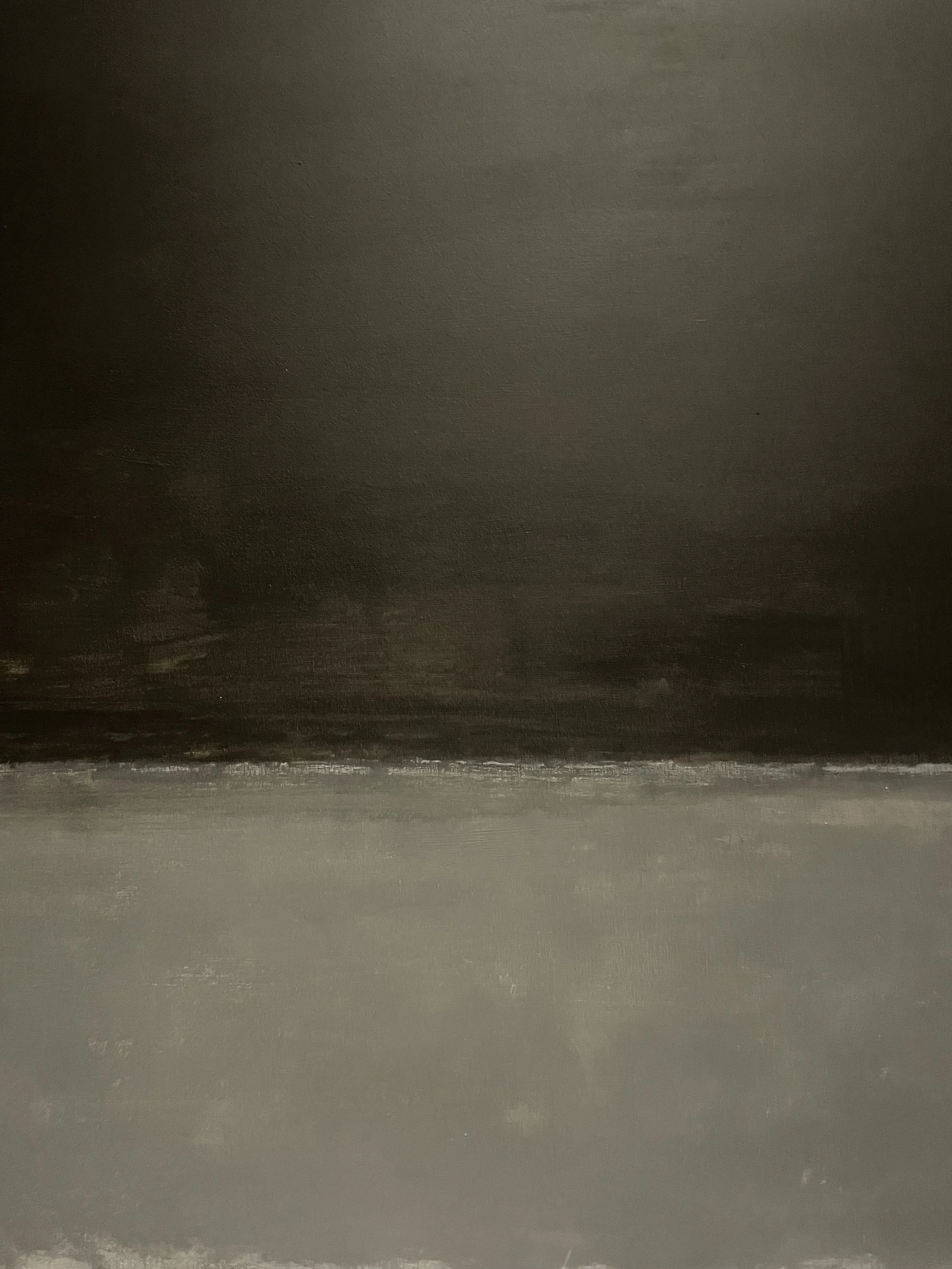
Complice anche il freschissimo Chianti Classico DOCG 2022 dell’Azienda Agricola Ottomani che ho bevuto a cena, al Caffè Cibreo. Il lesso di gallina, servito freddo, con questo Chianti è stato una folgorazione: un vino rubino intenso, dal bouquet di ciliegia e erbe aromatiche, ha preso per mano (ala!) la gallina lessa, servita con sedano, maionese e mostarda di agrumi.
Il ristorante sembra il foyer di un teatro: drappi rossi, poster degli spettacoli ai muri, dettagli eleganti e leggermente fumosi. Tutto qui ha qualcosa di recitato, come se anche ordinare un piatto fosse una parte da interpretare. Mi viene in mente il sociologo Erving Goffman, ma senza la voglia di tirarlo davvero in causa, perché in fondo in fondo non l’ho davvero letto anche se faccio finta di averlo fatto. Mi ricordo solo l’idea che siamo sempre in scena, anche quando crediamo di essere sinceri. Io, per esempio, interpreto da anni la parte dello sbronzone. E devo dire che mi riesce piuttosto bene, tanto che di questo Chianti di Ottomani ne avrei bevute altre tre bottiglie.
Nel dubbio ordino un altro paio di calici. La coppia accanto a me è già lì quando li noto davvero, come se fossero sempre stati una possibilità del tavolo più che due persone. Lei ha lentiggini e un collo sottile, lui mani enormi da marinaio. Hanno una bellezza che non sembra contemporanea, come se fossero usciti da un quadro di Constable, dentro un’Inghilterra fatta di verde umido e cieli larghi. I londinesi, li riconosco dall’accento, hanno un rapporto curioso con lo stare in pubblico: sembrano aver bisogno dell’alcol per abitare lo spazio. Partono con un Negroni, poi vino bianco, poi gin tonic. Alla sambuca siamo ovviamente amici e stiamo fumando una sigaretta fuori dal ristorante. Lei è una ricercatrice e lui un videomaker: sono belli, innamorati e sbronzi. C'è sempre una rigidezza nei modi della borghesia inglese che mi affascina e allo stesso tempo mi sfinisce: quello che dicono è quello che pensano? Ha detto questo perché intende l’opposto? Un popolo di bugiardi ben educati e dai bei modi.
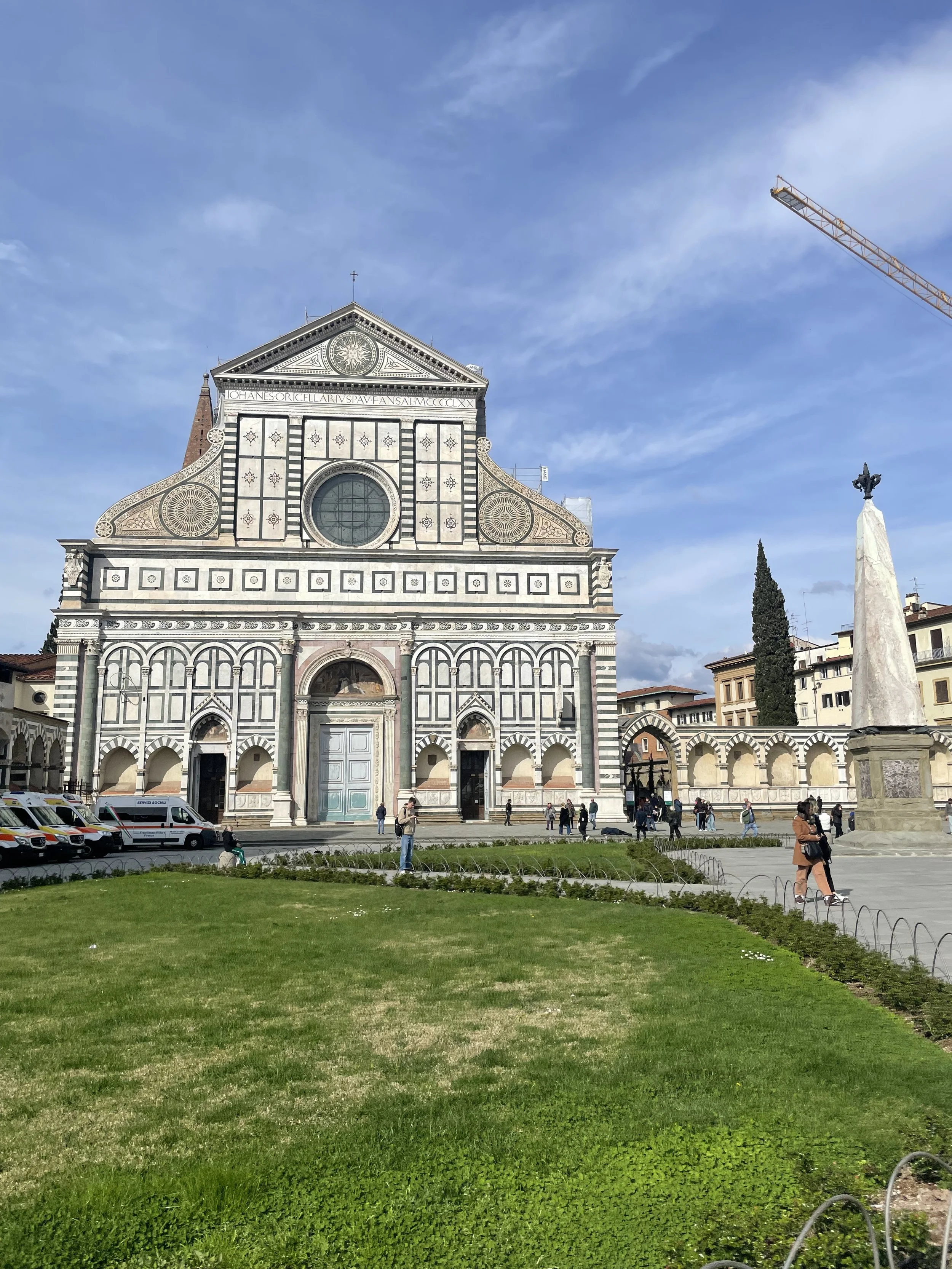
Lascio la coppia alle loro effusioni e mi incammino verso il centro di Firenze. La città ha sempre qualcosa di teatrale, come se non fosse possibile attraversarla senza assumere una parte. Qui anche il semplice camminare sembra osservato. Forse per questo che gli stranieri vedono solo la superficie lucida delle città italiane: il marmo, la luce, le facciate. Come se tutto fosse stato costruito per essere guardato. E in parte è vero. Ma sotto questa superficie c’è sempre qualcos’altro che insiste: morti, guerre, pestilenze, fame. La bellezza non cancella nulla, si limita a conviverci. Forse non esiste altro posto così stupendo e così miserabile come l’Italia. Non come contraddizione risolta, ma come sovrapposizione di livelli che non smettono di interferire tra loro. Chiedo al David di Michelangelo (be’ la copia), mentre passo da piazza della Signoria che ne pensa, ma non mi caga di striscio. Ha gli occhi fissi da un’altra parte, verso qualcosa che non coincide con la piazza, probabilmente un negozio di vestiti. Torno in albergo a fare a pugni con il mio subconscio.
VERTICAL THOUGHTS IN FLORENCE
Mark Rothko's paintings are Stargates to the unconscious. The only problem is that my unconscious hates me.
One evening in Florence, after visiting the Rothko exhibition at Palazzo Strozzi, I returned to my hotel carrying a magma of thoughts, helped along by one Chianti too many. That night I dreamed a gang of bullies was harassing a young woman. I stepped in to defend her. They beat me up instead.
The following morning I kept wondering whether it had simply been an ordinary dream, or whether Rothko had absent-mindedly left a paintbrush somewhere inside my head. I have no idea. What I do know is that very few exhibitions have ever followed me into sleep, leaving me as unsettled as this one did.
In 1971, a year after Rothko's suicide, the Rothko Chapel opened in Houston—one of the twentieth century's most extraordinary artistic spaces. It is neither a church in the conventional sense nor a museum. Commissioned by the Texan collectors John and Dominique de Menil, it was conceived as a place of contemplation for believers and non-believers alike, where art might, if only for a moment, replace the language of religion.
Rothko devoted almost seven years to the project, overseeing every detail: from the octagonal architecture to the arrangement of the fourteen monumental monochrome canvases that line its walls. They are dark, silent, almost motionless. It is remarkable how, layer after layer, the colour seems to lose weight rather than gain it. The paintings dematerialise into pure depth. The longer you look, the stronger the sensation that you could simply walk into them. They are not frightening, exactly, but they evoke something close to a conceptual megalophobia: the feeling that, once inside that monochrome immensity, I would lose all sense of direction.
Rothko never saw the chapel completed. In February 1970 he took his own life in his New York studio. It is difficult not to think of his death while standing before those canvases, although it would be unfair to read them solely through the lens of his suicide. They contain far more than that: meditation, silence, doubt, solitude.
For the chapel's inauguration, Rothko's friend Morton Feldman composed Rothko Chapel. It is music almost without gravity: sparse instrumentation, extended silences, notes that seem suspended in mid-air. Feldman was not trying to translate the paintings into sound. He was doing something subtler: recreating their sense of time. Listening to it, the minutes begin to stretch in much the same way they do when standing before a Rothko.
The Houston paintings are absent from the Florence exhibition, of course. Yet the same rarefied atmosphere is already present throughout the other works by the Latvian-American painter. Rothko painted states of mind, each in a different colour. Perhaps that is why, that night, he carried on painting somewhere inside my brain while I slept.
The evening had also been helped along by a wonderfully fresh 2022 Chianti Classico from Ottomani, which I drank over dinner at Caffè Cibrèo. Their cold poached chicken, served with celery, mayonnaise and a citrus mostarda, was a revelation with the wine. Bright ruby in colour, scented with cherries and wild herbs, the Chianti seemed to take the chicken gently by the hand.
The restaurant feels like the foyer of an old theatre: crimson drapes, faded posters, elegant details softened by a slight haze. Everything here seems faintly performed, as though even ordering dinner required playing a part. I think briefly of the sociologist Erving Goffman, though not enough to invoke him seriously; truth be told, I've never really read him, despite occasionally pretending that I have. All I remember is the idea that we are always performing, even when we believe we are being sincere. I, for one, have spent years playing the village drunk. I must admit I've become rather convincing at it. I could happily have ordered another three bottles of that Chianti.
To be on the safe side, I settle for a couple more glasses.
The couple at the next table had probably been there all along. I only noticed them properly later, as though they had existed less as two people than as a possibility waiting to emerge from the table itself. She has freckles and a graceful neck; he has the enormous hands of a sailor. They possess a kind of beauty that feels oddly nineteenth-century, as if they had wandered out of a Constable landscape of damp green fields and vast northern skies.
Londoners—I recognise the accent immediately—have a curious relationship with public life. They seem to require alcohol in order to inhabit space. They begin with a Negroni, move on to a bottle of white wine, then a gin and tonic. By the sambuca we are, naturally, smoking together outside the restaurant. She is a researcher; he is a filmmaker. They are beautiful, in love, and gloriously drunk. There is always a certain stiffness in the English bourgeoisie that fascinates and exhausts me in equal measure. Do they actually mean what they say? Or have they just said the opposite of what they intended? A nation of exquisitely mannered liars.
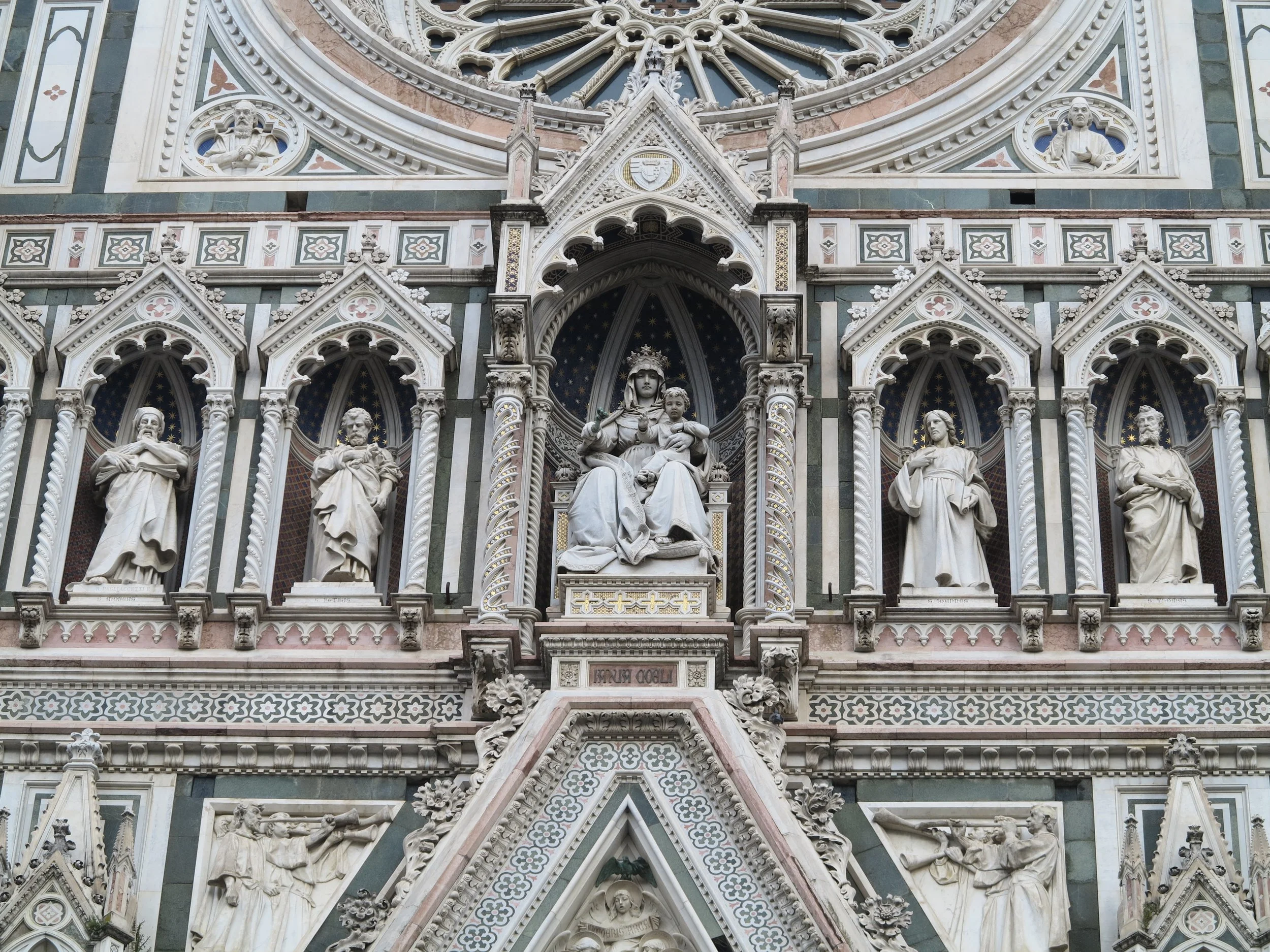
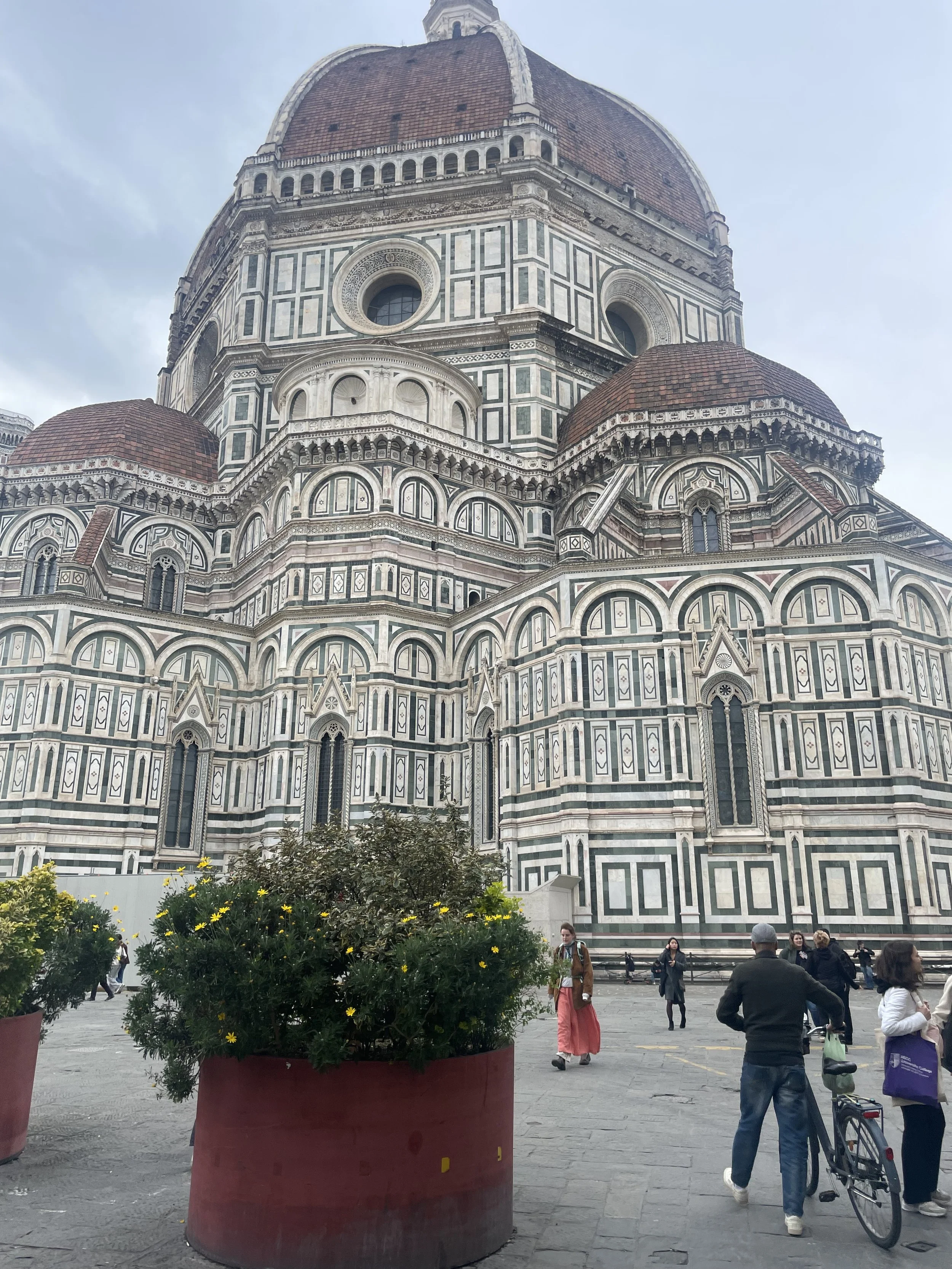
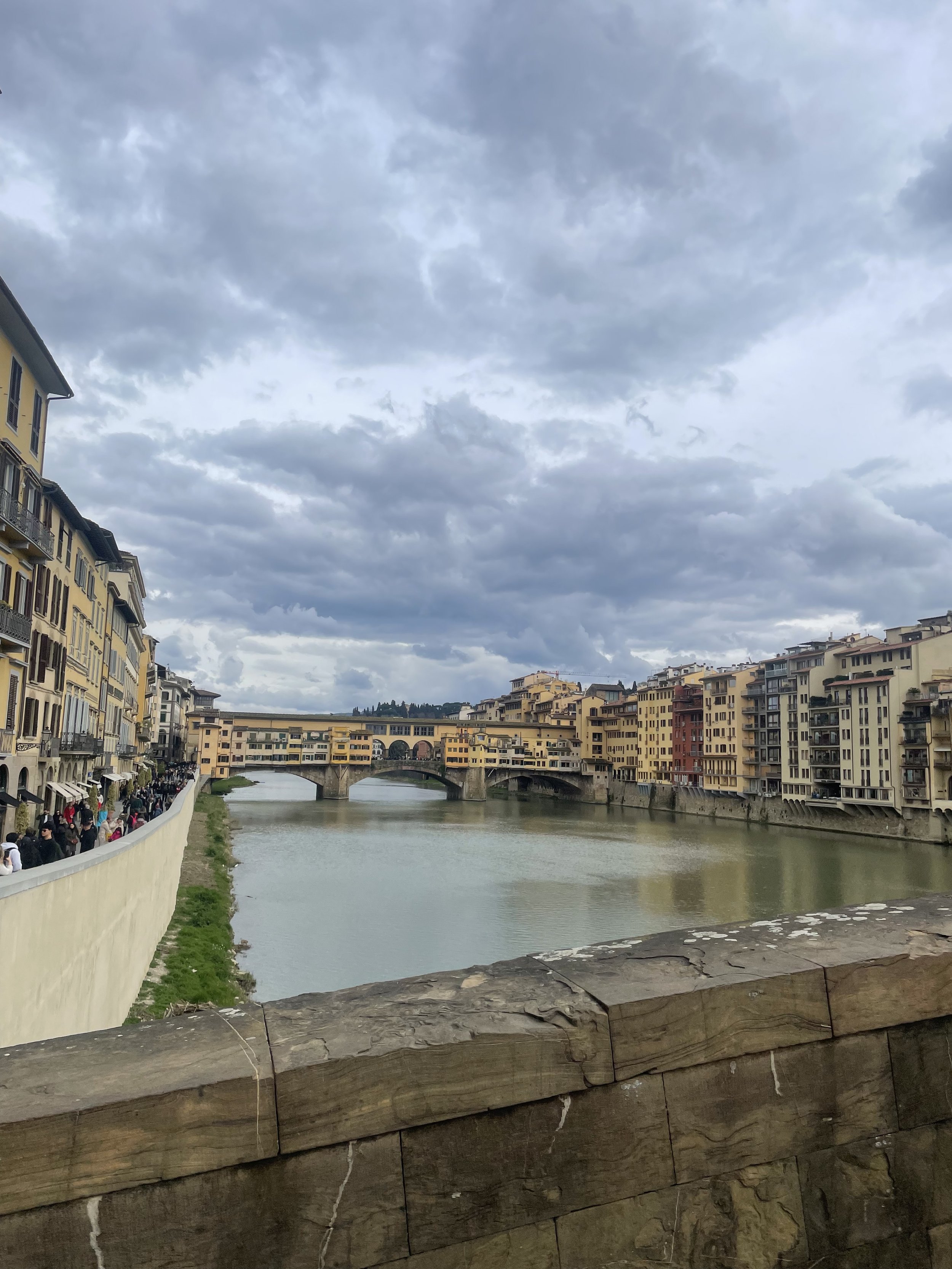
I leave the couple to their affections and walk towards the centre of Florence. The city has always felt theatrical to me, as though it were impossible to cross it without slipping into a role. Even walking here feels like a performance under observation. Perhaps that is why visitors see only the polished surface of Italian cities: the marble, the light, the façades, as though everything had been built simply to be admired. And in a sense it has. But beneath that polished skin something else always persists: death, war, plague, famine. Beauty does not erase any of it. It merely learns to coexist with it.
Perhaps nowhere else is as breathtaking and as miserable as Italy. Not because the contradiction is ever resolved, but because the two conditions continue to occupy the same space.
As I pass the copy of Michelangelo's David in Piazza della Signoria, I ask him what he thinks. He ignores me completely. His gaze is fixed somewhere beyond the square—probably on a clothing shop.
I head back to the hotel, ready for another round with my subconscious.