
Mississippi, bourbon e fantasmi
Aveva un viso strano, ma non che fosse brutto, tutt'altro. C'era però qualcosa di bizzarro nel modo in cui muoveva gli occhi mentre parlava: pur guardandomi in faccia, sembrava osservare alle mie spalle, come se si aspettasse che qualcuno lo potesse aggredire da un momento all'altro. Eppure era soltanto il custode della casa di William Faulkner. Stavo trascorrendo un periodo di tempo piuttosto esteso in Mississippi e in quella settimana ero all'università di Oxford, per una serie di conferenze sulla letteratura americana. Naturalmente non ero io a tenere quelle conferenze. Io ero lì soprattutto per bere e mangiarmi il Sud degli Stati Uniti, e per occupare il tempo tra un pranzo e una bevuta mi ero iscritto a un ciclo di incontri dedicati a Carson McCullers, Flannery O'Connor e allo stesso Faulkner.
Di poche parole, il guardiano della casa, sempre con il suo modo di parlarmi guardandomi dietro le spalle, mi fece pagare il biglietto e mi indicò l’entrata della grande casa dello scrittore americano bravissimo a raccontare cupe storie spesso popolate da uomini e donne che sembravano non aver scampo alla sofferenza.
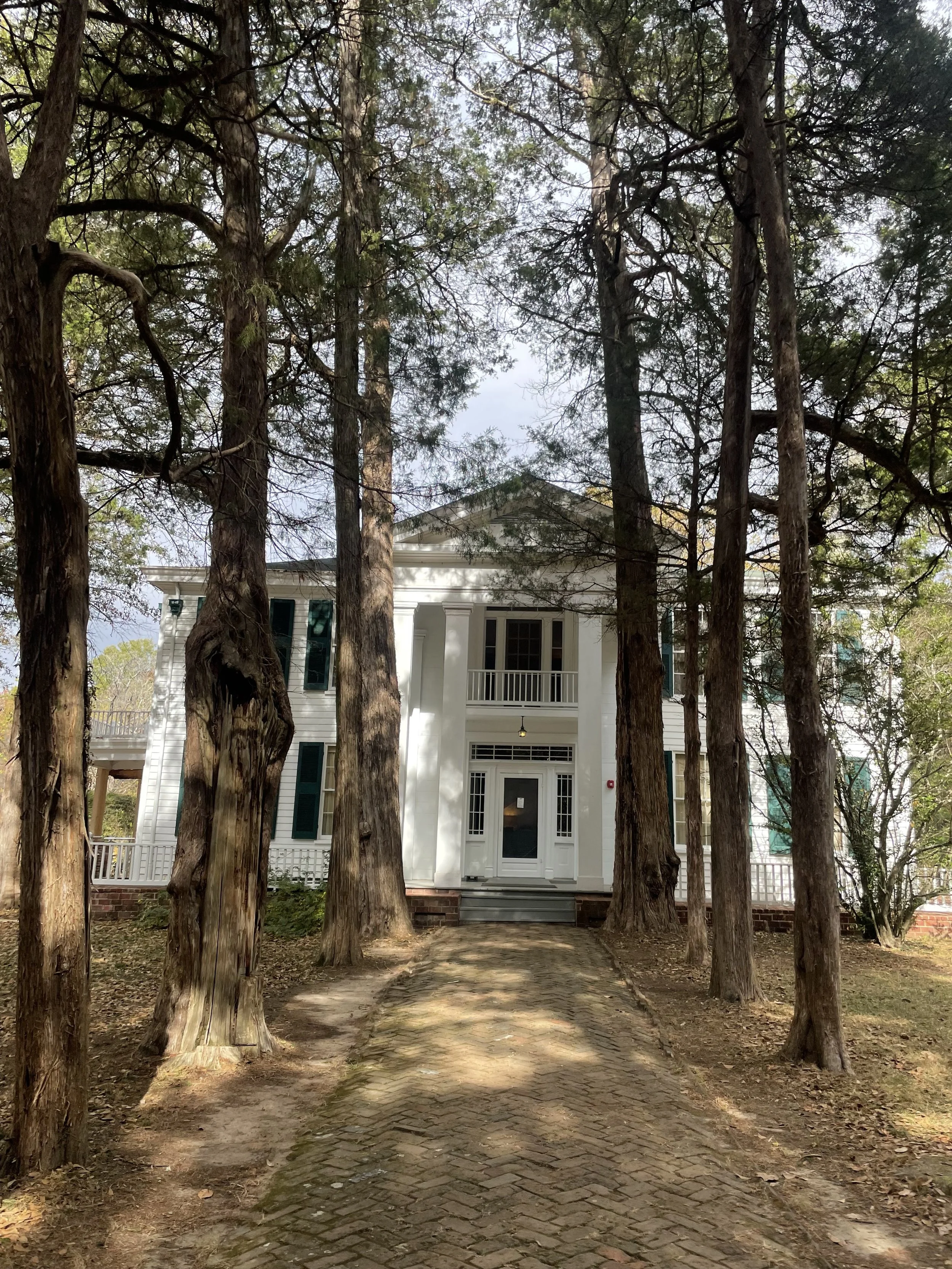
Mentre camminavo su per il lungo viale costeggiato da alti pini che arriva alla casa di F., come ormai mi succedeva da qualche tempo nel Sud degli Stati Uniti, avevo gli occhi come due pesci rossi dentro un acquario e il cervello ridotto a un cactus. La sera prima, in un bar con il portico di legno nel centro di Oxford, avevo conosciuto Wayne e la moglie Amy. Lui aveva una barba folta color tabacco, insegnava storia all'università e nel giro di pochi minuti stavamo già bevendo bourbon come due vecchi amici. Lei era una ricercatrice e i suoi capelli corti screziati di blu profumavano di shampoo all’eucalipto. Il bourbon è un traditore gentile, perché è dolce, quasi mieloso, ti accarezza il palato e ti fa credere di avere tutto sotto controllo; poi ti alzi dallo sgabello e scopri che è stato lui, per tutto il tempo, a controllare te. E a controllare anche Wayne, che ordinava uno shot in più per lui ogni volta che la moglie andava al bar, o usciva a fare una telefonata “presto presto un colpo al volo, per favore Gary” diceva al barista muovendo la mano veloce.
Wayne e Amy sostenevano che la storia del bourbon fosse una delle tante leggende che il Sud racconta su se stesso. Me la spiegarono tra un bicchiere e l'altro, e ricordo solo che c'entrano New Orleans, alcune botti bruciate e il fatto che, come quasi tutte le grandi invenzioni americane, anche questa sembrasse essere nata come un’intuizione commerciale.
Da quel che ho capito e dal poco che ricordo - incredibile quanto sbronzi quello zucchero filato liquido - nella New Orleans cosmopolita degli anni 1820 si bevevano il Cognac francese, mica il whiskey ruvido che arrivava dall'interno del Kentucky, e così tra Bourbon County e le rive di Louisville si iniziò a bruciare l’interno delle botti di quercia per imbrogliare il colore e addolcire la presa di quella lava liquida. Il Mississippi non fece altro che quello che sa fare meglio: prendere un compromesso commerciale, farlo galleggiare al caldo per duemila chilometri e trasformarlo, un'ora dopo l'altra, in nostalgia color ambra.
Il Mississippi è una landa addormentata a fine novembre - dopo mesi di caldo e umido si prende qualche mese per respirare aria fresca. Tappeti di foglie coprono il cimitero di Oxford, con quell'eleganza ordinata che sembrano avere tutte le necropoli americane. Le lapidi sono pettinate, allineate come filari di una vigna ben tenuta. I corvi sono l'unico rumore, gracchiano mentre attraverso il cimitero quasi di corsa, senza un motivo preciso. Qualche ombra sotto le querce punteggiate d’argento che giganteggiano sulle colline, chissà se sono fantasmi che mi vengono a guardare incuriositi, nel dubbio li saluto con educazione.
C'è qualcosa di diverso nel modo in cui i protestanti abitano la morte rispetto al nostro cattolicesimo mediterraneo. Tutto appare composto, disciplinato, quasi trattenuto. Mi torna in mente Londra, dove avevo scoperto che molti cimiteri vittoriani erano diventati anche luoghi di cruising, e mi aveva sempre divertito quell'idea di eros e morte che convivevano nello stesso spazio. Qui in Mississippi mi sembra impossibile - forse è solo un mio pregiudizio, ma ho la sensazione che perfino i fantasmi siano troppo puritani per scopare tra le lapidi.
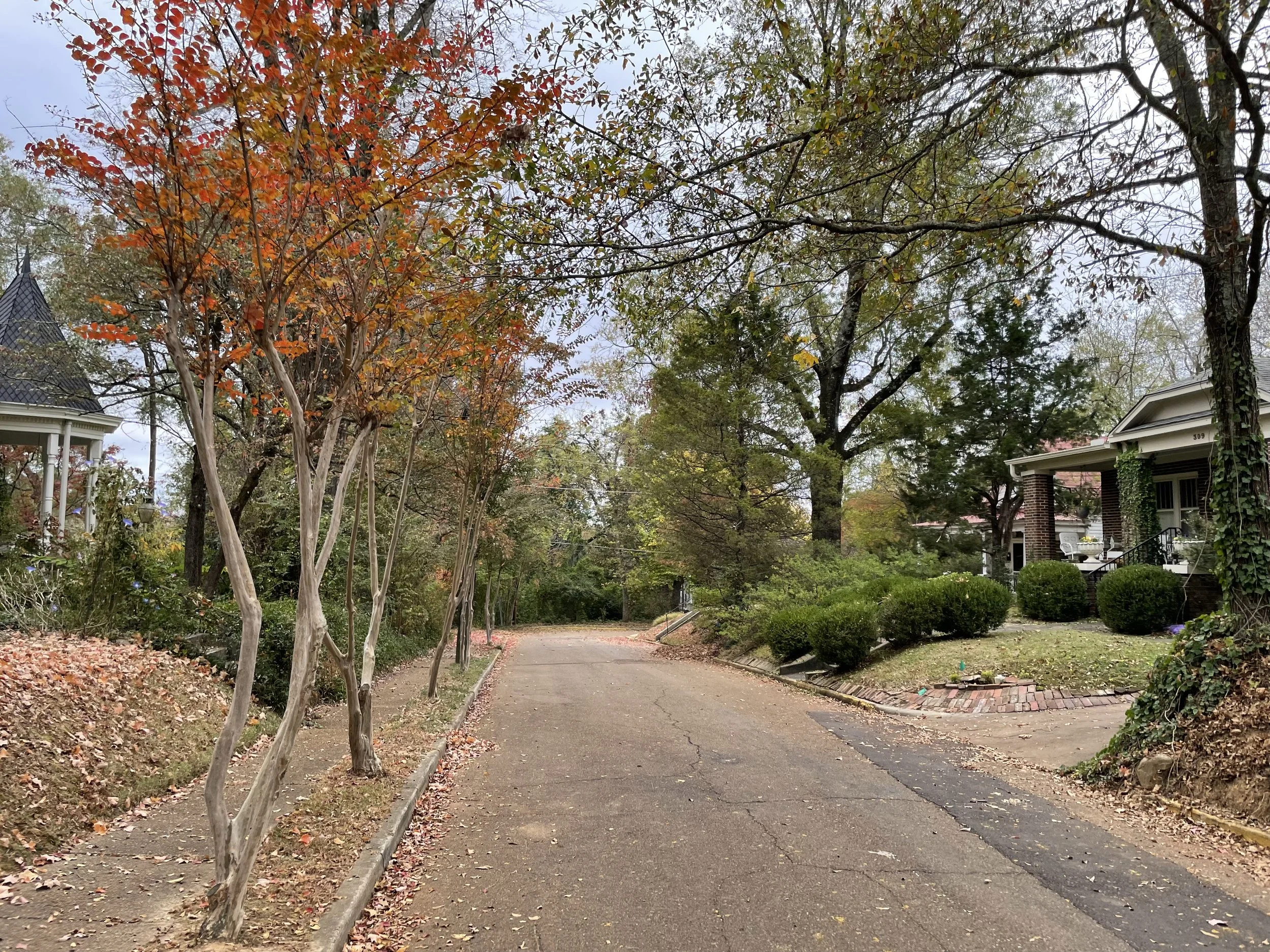
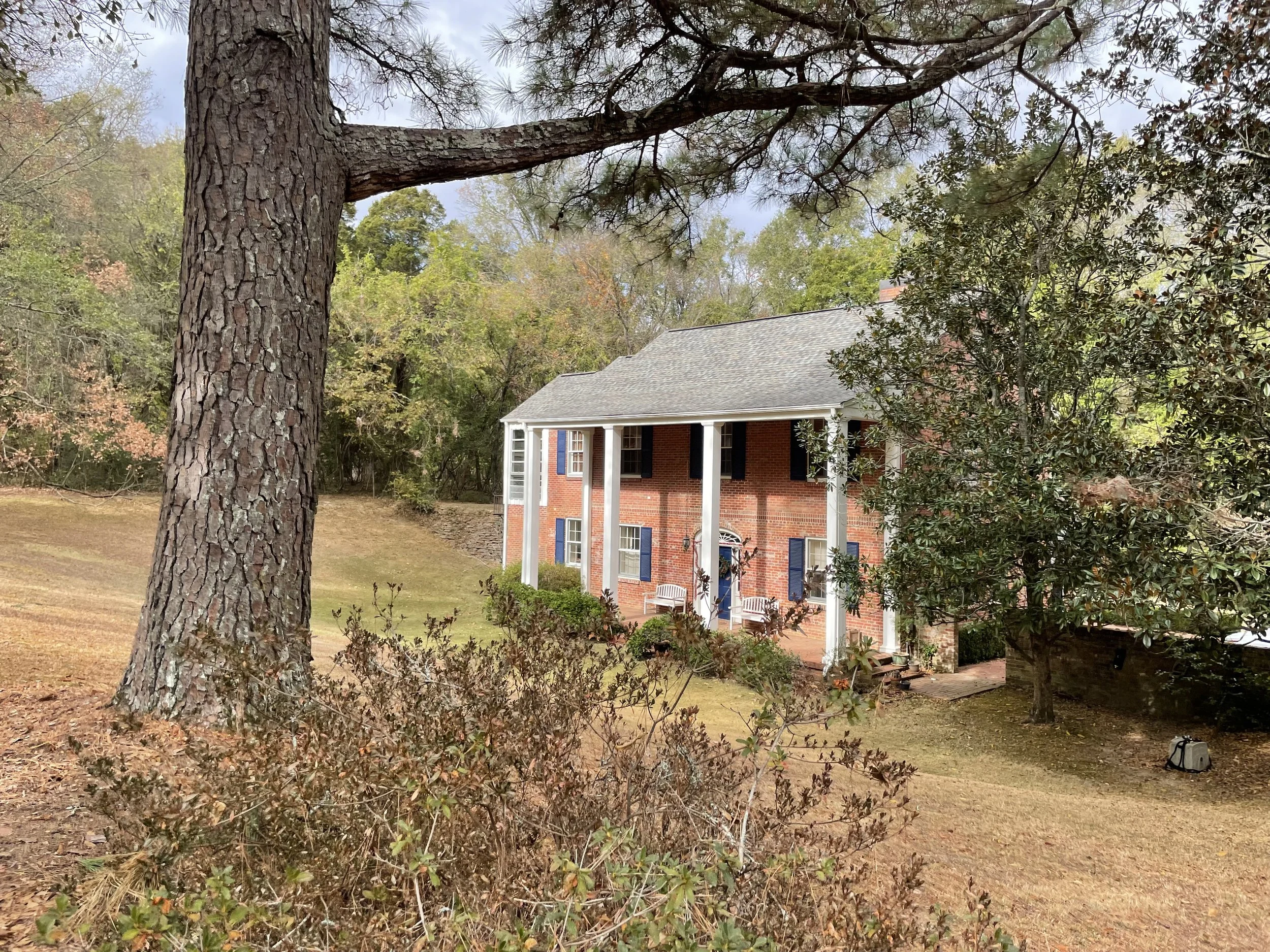
Un piccolo robottino delle consegne di Amazon mi passò davanti mentre mi dirigevo verso la villa di Faulkner, tra case di legno con verande eleganti, panchine gentili e giardini così ordinati che perfino le magnolie sembravano sbadigliare. Per un secondo sembrò un oggetto arrivato da un altro pianeta: troppo moderno per quel quartiere di case basse e alberi secolari. Oxford era anche questo, una cittadina che viveva in due tempi diversi contemporaneamente. Da una parte c'erano le verande, i cimiteri e le storie di Faulkner; dall'altra gli studenti dell'università, le idee nuove, il futuro che entrava lentamente nelle strade ordinate del Sud. Forse è questo che rende il Mississippi così difficile da raccontare: sembra un luogo rivolto al passato, ma in realtà è un posto dove il passato continua a vivere nel presente.
La camera da letto della casa dello scrittore americano era spaziosa e luminosa e di tutti i dettagli, quelli che mi sono rimasti in mente sono un ritratto di Sherwood Anderson e uno della moglie dello scrittore - amata e tanto tradita in vita. Il custode continuava a seguirmi per le stanze con discrezione, ma senza mai lasciarmi davvero solo, come se non fosse lì per accompagnare i visitatori ma per impedire che qualcuno portasse via qualcosa. Averlo alle spalle tutto il tempo mi metteva angoscia e mi spicciai per uscire da quella villa di legno, dove ad ogni passo tutto scricchiolava e rimbombava.
Intorno alla casa c'era un bosco di querce bianche, ginepri della Virginia e pini - chissà, mi chiedevo, se qui crescono i funghi. Quell’odore di bosco umido, di foglie marce, e di porcini è l’odore che mi viene in mente quando penso al Monferrato, a settembre, quando si va per anvirioi.
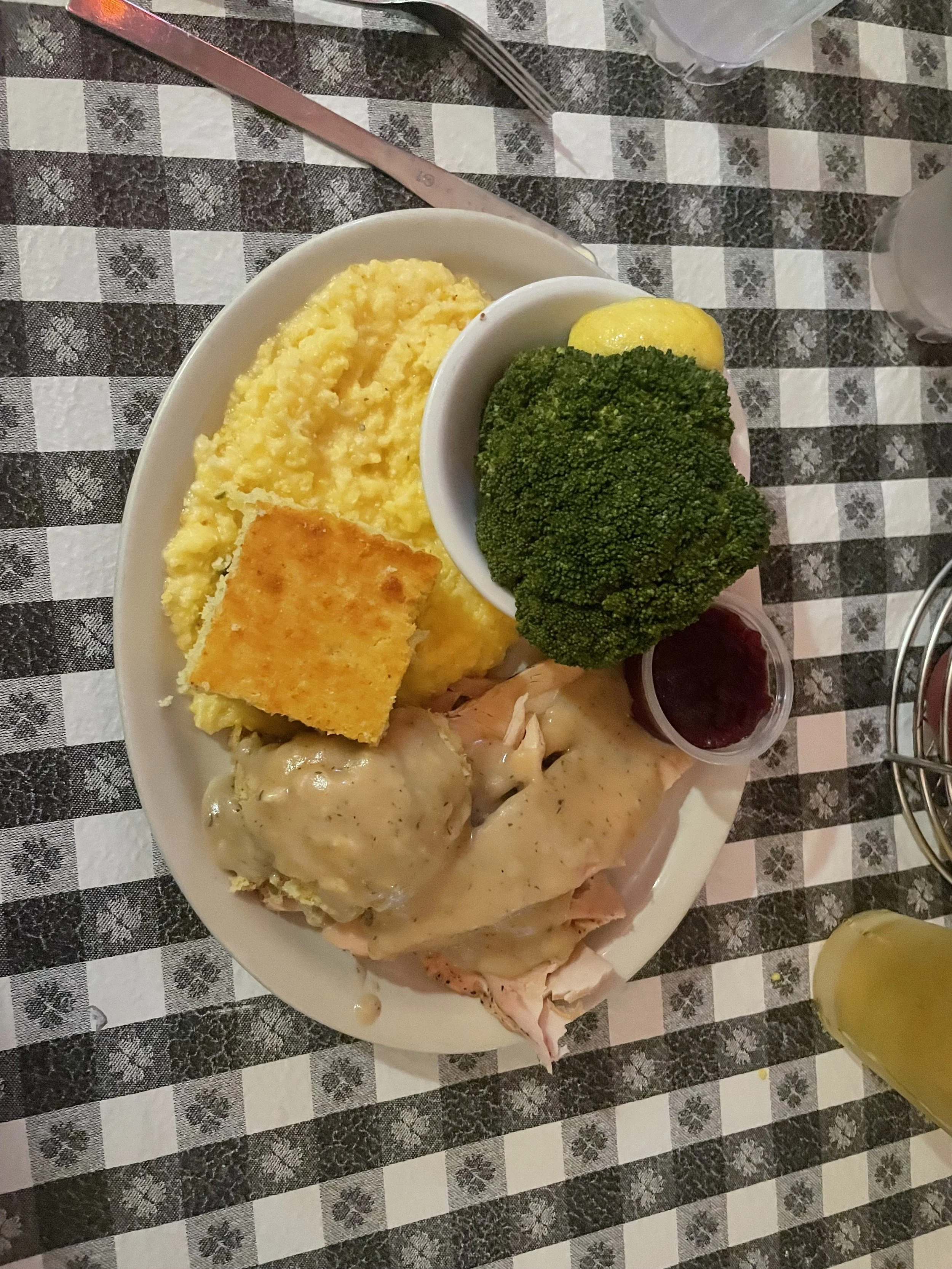
A pranzo mi resi conto, ancora una volta, di quanto sale ci fosse nella cucina del Sud degli Stati Uniti. Pesci gatto fritti infilati in un panino grondante di salse, cornbread ancora caldo con jalapeño sottaceto, stufato di rape verdi e fagioli, gamberi di fiume giganti e piccantissimi. Ogni boccone sembrava chiedere altro sale, e poi ancora sale. Per mandare giù tutta quella sapidità c'erano tè dolcissimi e birre alla fragola. Forse è una cosa del Sud: non ama le mezze misure. Anche a tavola tutto sembra vivere agli estremi, il sale non deve solo insaporire, ma ricordare la fame e la conservazione; lo zucchero non serve solo per addolcire il tè, deve quasi coprire qualcosa, Persino il loro whiskey, invece di bruciare, diventa morbido, quasi un miele. Era proprio mentre facevo questi pensieri che, senza accorgermene, mi misi in bocca un intero peperoncino Tabasco e per poco non ci rimasi secco. La sala intera si girò verso di me divertita, osservando il povero turista europeo che aveva appena scoperto che, in Mississippi, anche un piccolo peperoncino può avere un carattere molto più deciso di quanto sembri.
Ero finito in uno di quei diner con il pavimento a scacchi rossi e neri, divanetti di vinile bordeaux e lucine di Natale lasciate appese tutto l'anno. Sul retro del menù plastificato e un po’ unticcio, invece della solita pubblicità o della storia del locale, c'era una breve lezione sul sale. Scoprii così che quel gusto per il sapido affondava le sue radici almeno nella Guerra d'Indipendenza americana. L'esercito di George Washington dipendeva dal sale per conservare le razioni di carne e i britannici cercarono di strangolarne gli approvvigionamenti colpendo saline e rotte commerciali. Durante la Guerra Civile la storia si ripeté: la Confederazione aveva bestiame e raccolti, ma senza sale non poteva conservare la carne, che sotto il caldo del Mississippi marciva nel giro di pochi giorni. Mi piace pensare che la cucina del Sud sia rimasta un po' così: ogni tanto sembra che continui a cucinare per una guerra finita centocinquant'anni fa e che il sale sia proprio un segno di ricchezza.
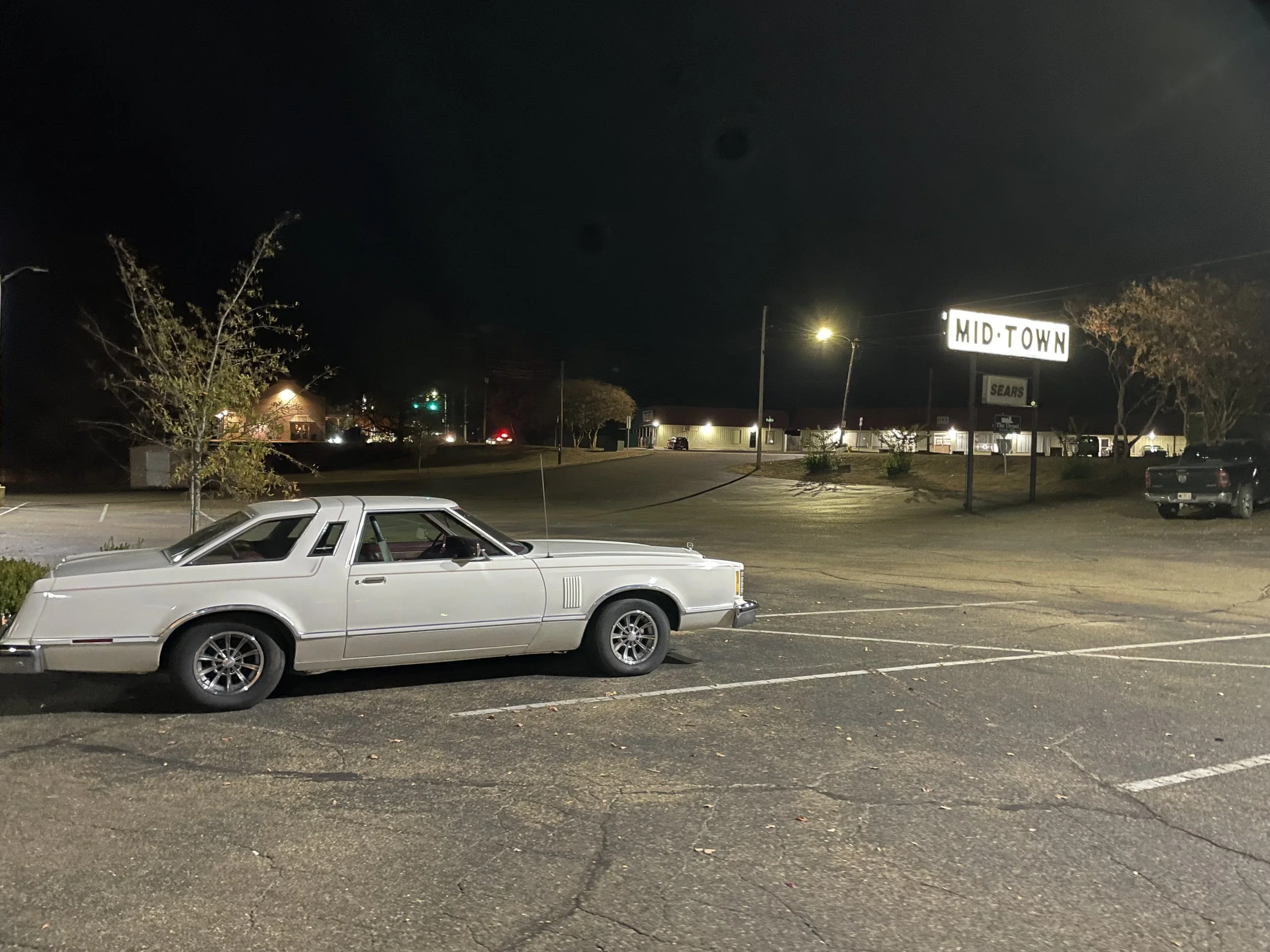
Per quel viaggio in Mississippi avevo affittato una macchina tamarrissima di cui non ricordo il nome né il modello. Ricordo solo che era enorme, comodissima e aveva un impianto stereo da fantascienza. Mi ero preparato una compilation perfetta: Brenda Lee, Johnnie Ray, Patsy Cline, Lee Moses e altri cantanti americani degli anni Cinquanta. Elvis no, quello me lo sarei tenuto per Memphis. C'è qualcosa in quella musica che appartiene profondamente al Sud. Non tanto il blues, che lascio a chi lo conosce davvero, ma una certa idea di malinconia: è musica da veranda di legno, da sedia a dondolo, da sei di sera quando il sole scende e le campane della chiesa rintoccano in lontananza e qualcosa dentro di noi di smuove. Then You Can Tell Me Goodbye cantava Bettye Swann dalla cassa dell’auto gigante mentre guidavo su quelle strade enormi e vuote, sotto una pioggerellina battente che bagnava le foglie secche. Chissà se crescono i porcini, qui?
Mississippi, bourbon and ghosts
He had a strange face. Not that he was ugly, quite the opposite. There was just something odd about the way he moved his eyes while he was talking: even though he was looking straight at me, it felt as if he was watching what was happening behind my back, as if he expected someone to attack him at any moment. And yet he was only the caretaker of William Faulkner’s house. I had been spending quite a long time in Mississippi and that week I was in Oxford, attending a series of lectures on American literature. Naturally, I was not the one giving those lectures. I was there mostly to drink and eat my way through the American South, and to fill the hours between lunches and drinks I had enrolled in a series of talks about Carson McCullers, Flannery O’Connor and Faulkner himself. The caretaker was a man of few words. Still looking past my shoulders in that strange way of his, he took my ticket money and pointed me towards the entrance of the great American writer’s house, the home of a man who had been brilliant at telling dark stories, often populated by men and women who seemed to have no escape from suffering.
As I walked up the long avenue lined with tall pine trees leading to Faulkner’s house, I felt, as I had often felt during my time in the South, as if my eyes were two goldfish trapped inside an aquarium and my brain had turned into a cactus. The night before, in a wooden-porched bar in the centre of Oxford, I had met Wayne and his wife Amy. He had a thick tobacco-coloured beard, taught history at the university and within minutes we were already drinking bourbon like old friends. She was a researcher and her short hair, streaked with blue, smelled of eucalyptus shampoo.
Bourbon is a gentle traitor. It is sweet, almost honey-like; it caresses your palate and makes you believe you are still in control. Then you stand up from the stool and realise that, all along, it was the bourbon controlling you. And it was controlling Wayne too, who ordered an extra shot every time his wife went to the bar or stepped outside to make a phone call. “Quick, quick, just a shot, please Gary,” he would say to the bartender, waving his hand impatiently. Wayne and Amy claimed that the story of bourbon was one of the many legends the South tells about itself. They explained it to me between one glass and another, and I only remember that it involved New Orleans, some burnt barrels and the fact that, like many great American inventions, this one too seemed to have started as a commercial intuition.
From what I understood, and from what I can still remember — incredible how drunk that liquid candy gets you — in cosmopolitan New Orleans in the 1820s people drank French Cognac, not the rough whiskey coming from the Kentucky frontier. So between Bourbon County and the banks of Louisville, they began charring the inside of oak barrels to cheat the colour and soften the impact of that liquid lava. Mississippi did what it does best: it took a commercial compromise, let it float through the heat for two thousand kilometres and transformed it, hour after hour, into amber-coloured nostalgia.
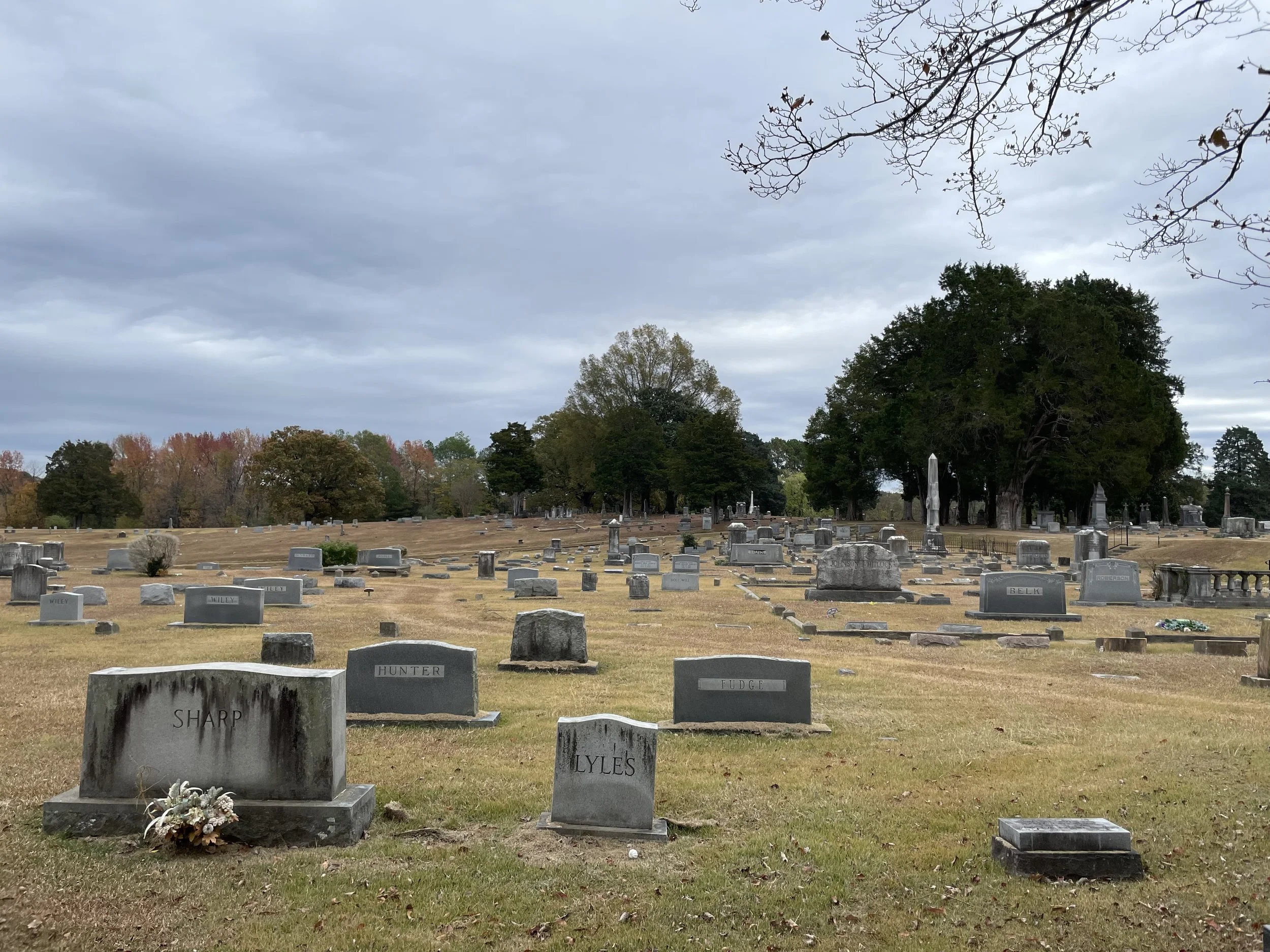
Mississippi is a sleeping land at the end of November. After months of heat and humidity, it finally takes a few weeks to breathe fresh air. Carpets of leaves cover the Oxford cemetery, with the same elegant order that seems to belong to all American cemeteries. The gravestones are combed, lined up like perfectly maintained vineyard rows. The crows are the only sound. They caw as I cross the cemetery almost running, for no particular reason. Under the silver-speckled oak trees towering over the hills, perhaps there are ghosts coming to look at me with curiosity. Just in case, I greet them politely. There is something different in the way Protestants inhabit death compared to our Mediterranean Catholicism. Everything feels composed, disciplined, almost restrained. I think back to London, where I discovered that many Victorian cemeteries had also become places for cruising, and I always found that coexistence of eros and death fascinating. Here in Mississippi it feels impossible. Perhaps it is only my own prejudice, but I have the feeling that even the ghosts are too puritanical to fuck between the graves.
A small Amazon delivery robot passed in front of me as I walked towards Faulkner’s house, among wooden homes with elegant porches, polite benches and gardens so perfectly maintained that even the magnolias seemed bored. For a moment it looked like an object from another planet: too modern for that neighbourhood of low houses and ancient trees. But Oxford was also this: a town living in two different times at once. On one side there were the porches, the cemeteries and Faulkner’s stories; on the other, university students, new ideas and the future slowly entering the orderly streets of the South. Perhaps this is what makes Mississippi so difficult to describe: it seems like a place turned towards the past, but in reality it is a place where the past continues to live in the present.
The bedroom in the writer’s house was spacious and bright. Among all the details, the ones that stayed with me were a portrait of Sherwood Anderson and one of Faulkner’s wife — loved, and deeply betrayed during their marriage. The caretaker continued following me through the rooms, discreetly but never really leaving me alone, as if he was not there to accompany visitors but to make sure nobody took anything away.
Having him behind me the whole time made me anxious, and I hurried out of that wooden house, where every step creaked and echoed. Around the house there was a forest of white oaks, Virginia junipers and pines. I wondered whether mushrooms grew here.
The smell of damp woods, rotten leaves and porcini mushrooms is the smell that comes to my mind when I think of Monferrato in September, when we go looking for anvirioi mushrooms.
At lunch I realised once again how much salt there was in Southern American cooking. Fried catfish stuffed into a sandwich dripping with sauces, warm cornbread with pickled jalapeños, stewed greens and beans, huge and incredibly spicy crawfish. Every bite seemed to ask for more salt, and then more salt again. To wash down all that savouriness there were extremely sweet teas and strawberry beers. Perhaps this is a Southern thing: it does not like moderation. Even food seems to live at the extremes. Salt is not just there to season; it carries memories of hunger and preservation. Sugar is not only there to sweeten tea; it almost seems to cover something. Even their whiskey, instead of burning, becomes soft, almost like honey.
It was while I was thinking these thoughts that, without noticing, I put an entire Tabasco pepper in my mouth and almost died. The whole room turned towards me, amused, watching the poor European tourist who had just discovered that in Mississippi even a tiny pepper can have a much stronger personality than expected. I had ended up in one of those diners with red-and-black chequered floors, burgundy vinyl booths and Christmas lights left hanging all year round. On the back of the slightly greasy plastic menu, instead of the usual advertisement or story about the restaurant, there was a short lesson about salt. I discovered that this taste for salt had roots going back at least to the American War of Independence. George Washington’s army depended on salt to preserve meat rations, and the British tried to choke supplies by attacking saltworks and trade routes. During the Civil War the story repeated itself: the Confederacy had livestock and crops, but without salt it could not preserve meat, which under the Mississippi heat spoiled within days. I like to think that Southern cooking has remained a little like that: sometimes it feels as if it is still cooking for a war that ended more than 150 years ago, and that salt itself has become a sign of wealth.
For that trip through Mississippi I rented a ridiculously flashy car whose name and model I cannot remember. I only remember that it was enormous, incredibly comfortable and had a spaceship-like stereo system. I had prepared the perfect playlist: Brenda Lee, Johnnie Ray, Patsy Cline, Lee Moses and other American singers from the 1950s. No Elvis. I was saving him for Memphis. There is something in that music that belongs deeply to the South. Not exactly the blues — I leave that to people who truly know it — but a certain idea of melancholy. It is music for wooden porches, rocking chairs, six in the evening when the sun goes down and church bells ring somewhere in the distance, and something inside us moves.
“Then You Can Tell Me Goodbye” by Bettye Swann played through the speakers of my giant car as I drove along those enormous empty roads, under a steady drizzle that soaked the dry autumn leaves. I wondered: do porcini mushrooms grow here?