Gardening at Night a Venezia
I primi dischi dei R.E.M. sono miele. Dolci, con un retrogusto appena malinconico. Forse è la voce di Michael Stipe, o la Rickenbacker di Peter Buck con quel suono arpeggiato e leggero, a renderli così unici. Sono la mia colonna sonora di un fine settimana a Venezia. Seconda volta in laguna per me. La prima era stata nel 2010, dopo una brutta rottura, quando avevo passato una notte sola a casa di un amico a bere amari, prima di ripartire il giorno dopo senza aver visto nemmeno San Marco.
Ho addosso una certa eccitazione per questo viaggio di due giorni. Nella mia testa mi immagino come il protagonista di Trainspotting, mentre corro per la Serenissima inseguito dalla pula, con una voce fuori campo che recita: “In un mondo di matcha latte, proteine in polvere e pilates, io scelgo i bacari.”
L’arrivo in laguna ha qualcosa di iniziatico. O di piccola tortura. Il treno si ferma per dieci lunghi minuti sul Ponte della Libertà, come se dovessimo prepararci a entrare in un’altra dimensione. Un tuffo a Venezia, forse sarebbe più corretto dire.
Noi passeggeri siamo dentro quel lungo serpente sospeso sull’acqua, una specie di ponte tra terra e cielo, mentre la città appare in tutta la sua irrealtà. La luce è abbagliante; le cupole delle chiese si sdoppiano sulla superficie immobile della laguna creando due mondi. Non è chiaro in quale dei due stiamo per entrare.
Di certo mi caccio subito nel caos di Venezia Santa Lucia: turisti che pascolano dietro alla bandierina del capogruppo, negozi pieni di maschere fluorescenti, gente pronta a venderti qualsiasi cianfrusaglia e i controlli per il nuovo pass d’ingresso alla città. Cinque euro per entrare a Venezia. Una tassa che probabilmente non scoraggia nessuno, soprattutto chi vuole trasformarla in uno sfondo.
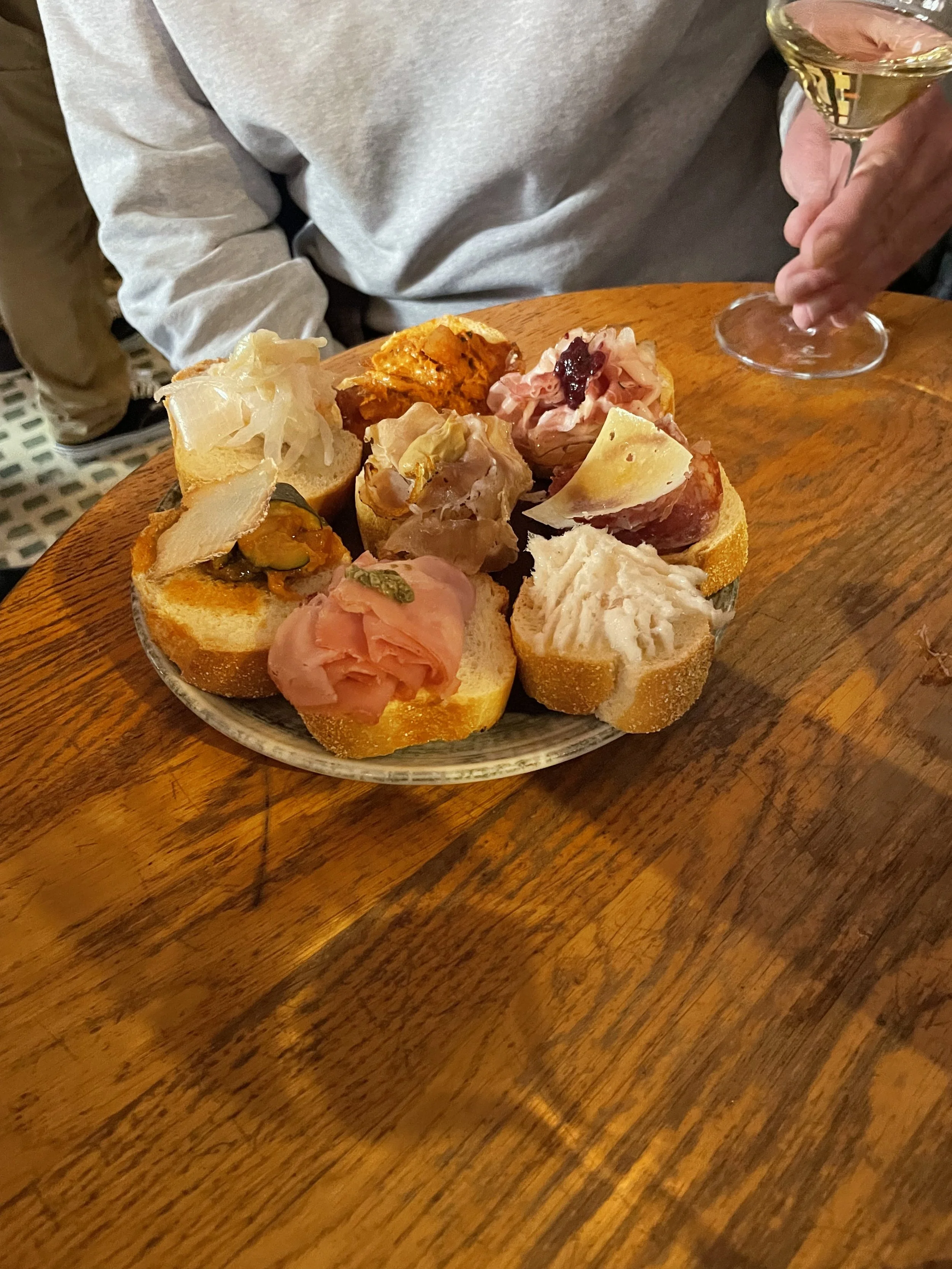
“There’s something strange going on tonight, there’s something going on that is not quite right”, mi canta Michael Stipe nelle orecchie mentre cerco di raggiungere l’airbnb, ma non prima di essermi fatto il primo bicchierino della giornata: un bianchino frizzante e un cicchetto con un’acciughina e mezzo uovo sodo. Nella mia personale gerarchia dei vini esiste una categoria suprema chiamata “Bianchino Frizzante”. Non è spumante, non è prosecco, non è niente di raffinato. Dalle mie parti è spesso Cortese leggermente mosso; in Liguria magari un Vermentino appena frizzante. Ogni regione italiana, secondo me, possiede la sua personale Ferrarelle dei vini. Fresco e minerale, lo si beve con tutto, ma dà il meglio di sé con il cibo mangiato in piedi, con i panini al mare e con i pranzi lunghi della domenica d’estate.
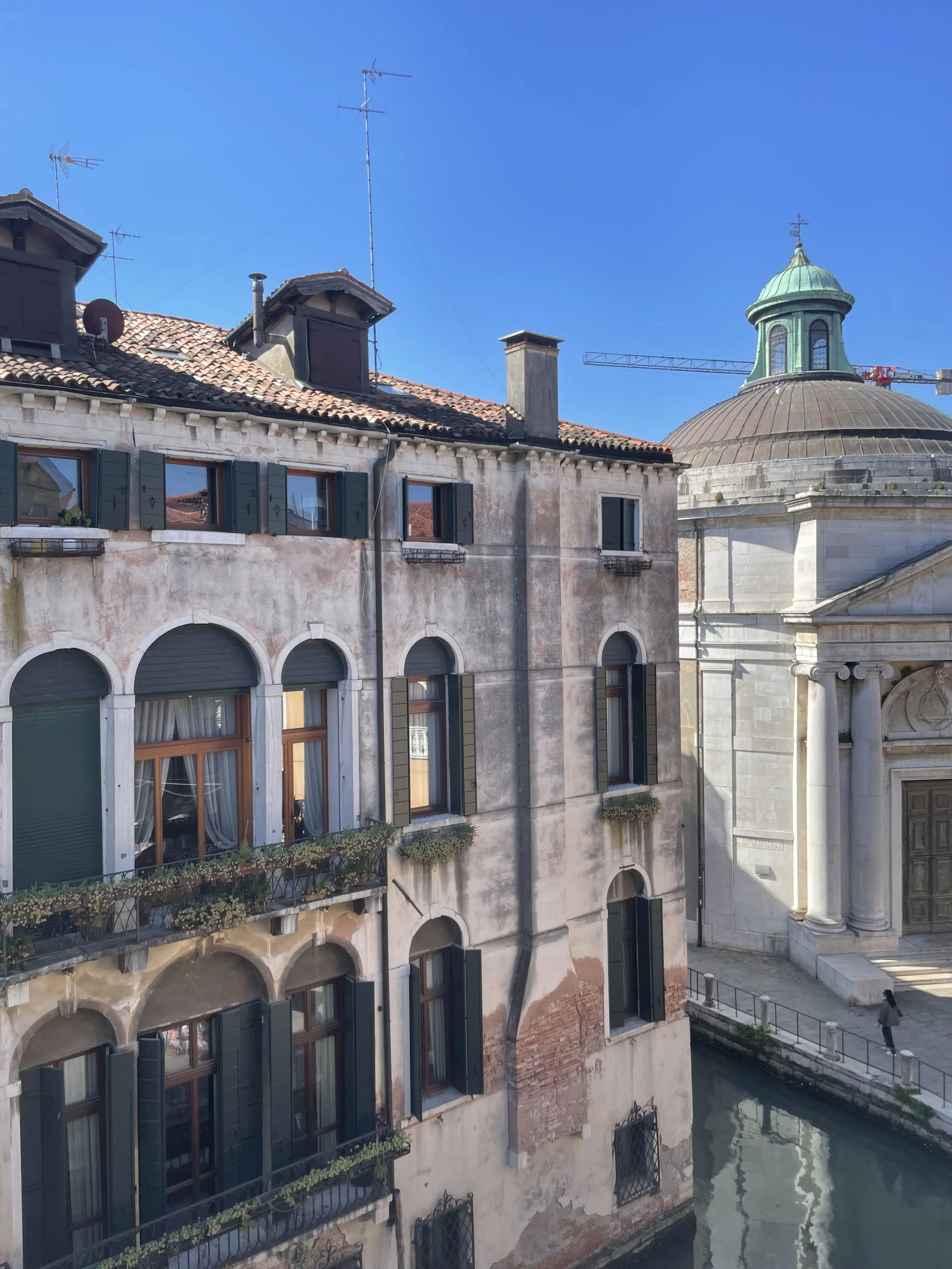
L’occhio dentro un triangolo nel timpano della Chiesa della Santa Maddalena mi scruta. Sa perfettamente chi sono. Ho talmente tanta confidenza con il senso di colpa che mi sento giudicato persino da un occhio di pietra. “Bevi di meno, Lorenzo”, sembra dirmi. “Smetti di fumare.” Incredibile come il super ego riesca a reificarsi in qualunque cosa. Naturalmente non lo ascolto e vado avanti con un altro cicchetto — baccalà mantecato e un altro bianco mosso, forse Malvasia — alla Cantina Vecia Carbonera. È curioso che proprio di fronte a una chiesa piena di simboli massonici ci sia una locanda che richiama la Carboneria.
Salgo nell’alloggio: odore di tabacco e incenso. Accendo subito una Brionvega rossa da cui parte un sitar, con quei vuoti improvvisi e quelle note sospese leggermente angoscianti. Il padrone di casa non c’è. Non so nemmeno chi sia davvero: soltanto una mail con cui ho interagito. Mi ha lasciato le chiavi sotto lo zerbino.
Una maschera del Carnevale veneziano mi guarda dal muro. Sembra conoscermi già. “Bevi di meno, ciucatùn”, mi dice inspiegabilmente in piemontese. Due pareti di libri russi stipati in vecchie librerie di formica color noce. Luci arancioni basse. Da un vaso spunta un mazzo iridescente di piume di pavone, unico punto di colore in una casa altrimenti fatta di toni neutri. Mi torna in mente che c’è un pezzo dei R.E.M. che si apre proprio con un sitar: King of Birds, in Document. Prendo un libro in mano, è Chodasevič, a quanto pare già ai suoi tempi si lamentava di una Venezia trasformata nel giocattolo del mondo.
Intanto mi viene sete e mi fiondo da Vino Vero, consigliato da un amico veneto e soprattutto bevone come me. Due occhi verdi mi accolgono dietro un bel bancone di legno su cui una grande boule piena di ghiaccio raccoglie bottiglie su bottiglie di vino. Riconosco subito un Anisos di Eugenio Rosi: Nosiola, Pinot Bianco e Chardonnay, un bianco delicato ma teso, perfetto con due cicchetti — uno con polpo e hummus, l’altro con ombrina e tzatziki.
Il posto è decisamente alla moda, con una clientela più internazionale che veneziana, ma senza spocchia da enoteche naturali. I vini sono scelti bene, i baristi sanno quello che fanno e soprattutto nessuno sembra volerti insegnare qualcosa. Al terzo bicchiere attacco bottone con il barista, che finisce per regalarmi una lista di bacari dove bere.
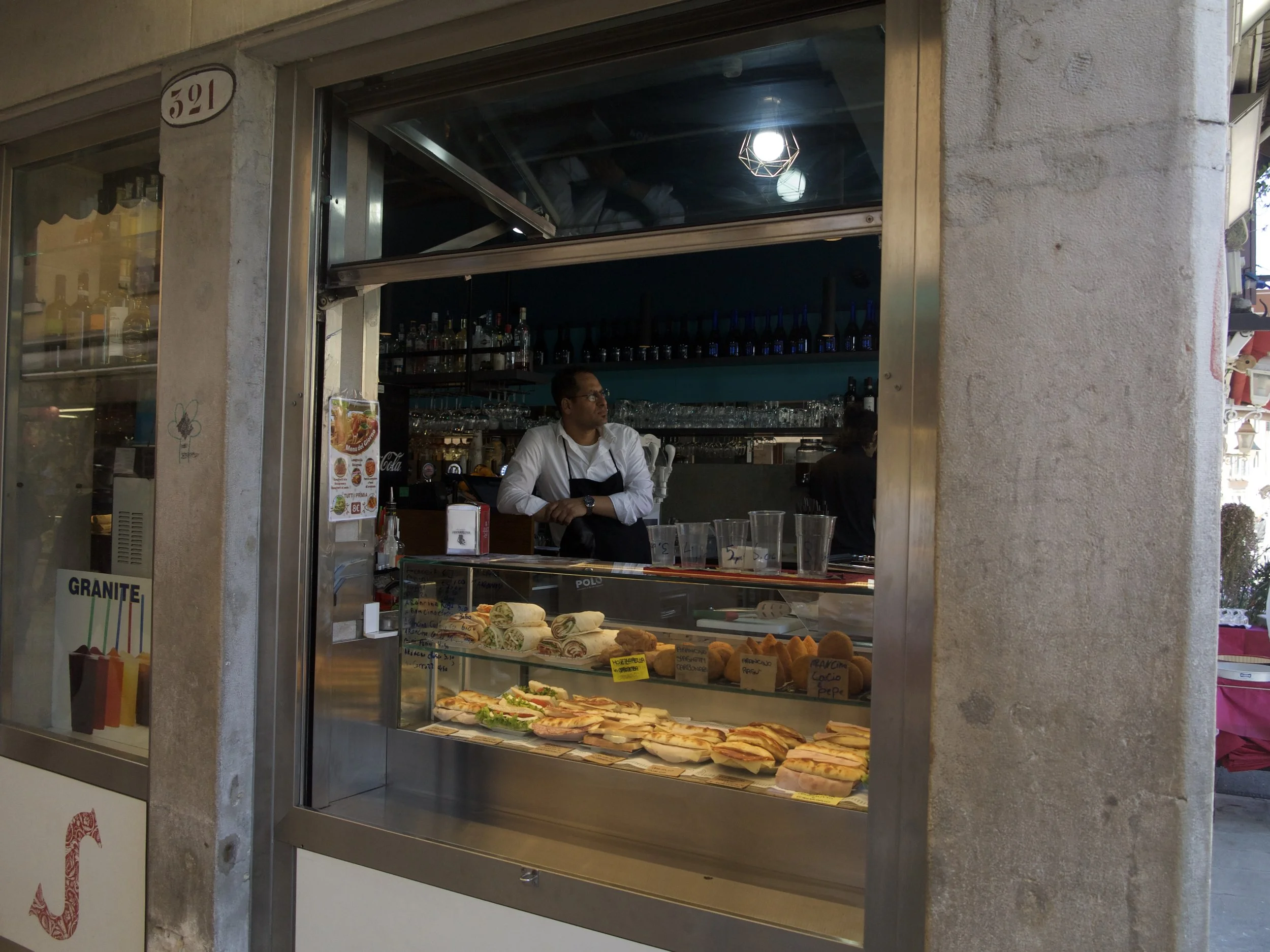
La Sete, poco sopra il primo bacaro, ospita una festa di giovani laureati chiassosi ma tutto sommato innocui. Non mi intimidiscono e ordino il mio vino veneto di elezione: Soave e Garganega. Il Ca’ Rugate è un bianco fresco, sapido, divertente, che sembra fatto apposta per tenere insieme il rumore delle stanze e il sale dei cicchetti di pesce spada affumicato. Mentre sorseggio, mi torna in mente quando vendevo vino agli inglesi: un popolo che ha un rapporto interessante con l’alcol, quasi vitaminico. Amavano soprattutto la Garganega che gli servivo in un ristorante vicino allo stadio dell’Arsenal.
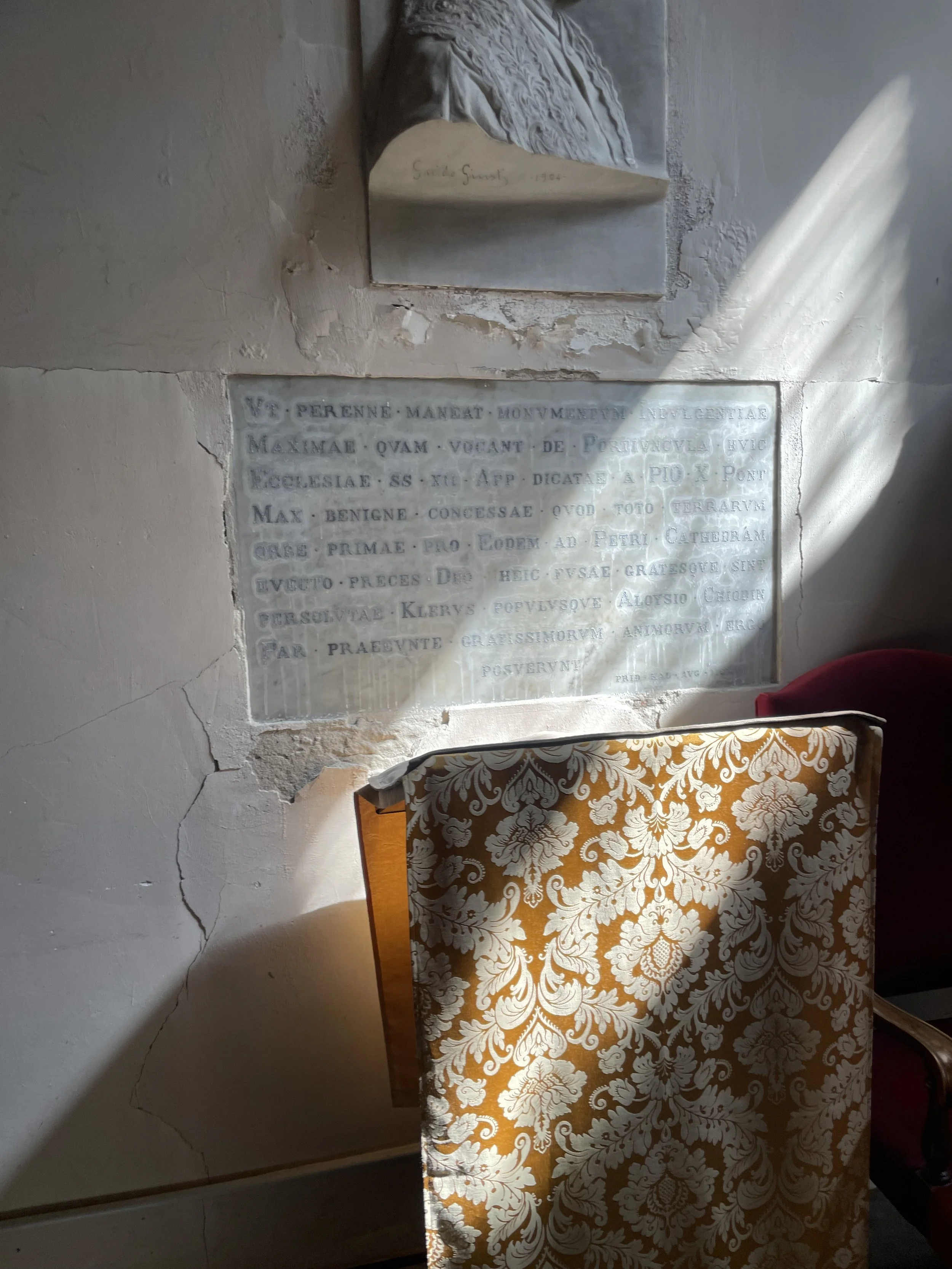
Nel mio pellegrinaggio, assolato e bagnato, come San Magno ho anche io una visione mistica entrando nella Chiesa dei Santi Apostoli. Cerco la pala di Giambattista Tiepolo con gli occhi di Santa Lucia. Mi osservano a loro volta anche loro come se avessero sempre saputo che sarei arrivato un giorno a Venezia. Mi aggiro per la chiesa, un cane che cerca un padrone forse, coni di luce tagliano colonne di marmo, dietro l’altare principale sedie accatastate come in uno sgabuzzino. Non c'è nessuno e mi lascio cadere su una sedia di legno chiaro in cerca di un attimo di silenzio. Ma da due anni il silenzio non esiste più perché un fischio costante mi suona nel cervello. Un Gesù gigante di legno mi scruta.
Esco ancora in cerca di qualcos’altro da bere. Sul vaporetto turisti da tutto il mondo e famiglie con passeggini e bambini piccoli - non riesco a pensare a un posto più scomodo per una vacanza con dei pargoli. Una signora toscana urla a un turista straniero che l’ha urtata mentre la barca oscilla. Lui si scusa senza capire, lei continua a spiegare a volume sempre più alto. Arrivo a Dorsoduro dove mi fiondo al Bar alla Toletta per uno spritz con il Select e due tramezzini tonno e uova sode. Che buono questo spritzino così fresco. Ancora uno perché no, sono in vacanza.
È la notte che Venezia dà il meglio di sé. Poche luci, molti turisti spariti, restano residenti e corpi dispersi tra gli alberghi. A Il Vizietto in Campo San Stin attacco un merlot fresco, lasciato nel ghiaccio. Sento i R.E.M. in cuffia per coprire un po’ l’acufene e leggo Chodasevič:
“Guardo dalla finestra, e disprezzo, guardo me stesso, pure disprezzato.
Invoco tuoni sulla terra, senza credere al cielo.”
Ceno in una piccola osteria con dei bigoli alle acciughe e un bianchino frizzante. Poi la strada di casa, con quello sprint leggero del vino che ancora tiene insieme il corpo. La notte a Venezia diventa un dedalo di calli tutte uguali, corti chiuse, giardini dai cipressi immobili che ti scrutano svogliati. Un’orgia di solitudine, come diceva Antal Szerb, che lascia l’odore della gente sulle pietre.
Dormo male. Nel sonno, il volto di una donna mi fissa mentre cerca di strozzarmi. Mi sveglio nel buio e vedo che dalla mia finestra Venezia è completamente ferma. La luna entra nella stanza e taglia in due la t-shirt degli OM che ho indossato per dormire.
San Marco alla mattina non è troppo affollata, così mi regalo uno sfizio: bevo un martini al Caffè Florian. Decadente, stucchevole, l’immagine di un mondo che non esiste più da trecento anni, il posto perfetto per me. La cattedrale luccica al sole e guardo i turisti che camminano con quell’aria un po’ sospesa che abbiamo tutti quando visitiamo un posto. Una coppia inglese attraversa la piazza. Camminano senza fretta. Lui ha la rosacea sul naso, lei un filo di perle sottili. Non parlano molto ma si abbracciano.
A pranzo scopro la Cantina Do Spade dove ordino prima un bianco fermo e poi un frizzantino con polpettine piccanti, baccalà fritto e capesante gratinate. Forse esagero con il vino perché devo tornare nell’airbnb a riposarmi e a leggere su una poltrona di pelle rossa bucherellata dalla cenere di sigarette. Accendo Rai Radio 3, che mi tiene compagnia per un paio d’ore e stanno parlando delle guerre alle porte dell’Europa.
Verso sera riemergo dal torpore del vino e decido di esplorare una parte più vuota della città: Castello. Cammino per calli quasi deserte. Sbircio dentro negozi semivuoti, nel circolo del Venezia FC, nelle osterie, persino in uno squat che sembra rimasto sospeso negli anni ‘90. I palazzi sembrano galleggiare accanto a me. Ho la sensazione di essere già passato da qui, oppure no. Il telefono non prende. Dopo un paio di birrette, ceno in un ristorante della zona, ma la spocchia del servizio e della cucina mi allontanano dal piatto, così mangio poco e bevo troppo, un Bardolino rosè senza anima.
Mi metto su un altro disco che ho in memoria - parte Drive non più i primi R.E.M. ma ancora quelli buoni. Rientro affamato e un po’ sbronzo, camminando senza riconoscere del tutto la strada. I ponti sembrano ripetersi, oppure sono sempre gli stessi e il cellulare non prende. Passo davanti a quello che di giorno era un ospedale, ma ora è chiuso e senza luci. Non riesco a capire come possa chiudere un ospedale. Mi ritrovo senza sapere come a San Marco, questa volta semideserta. Alcuni fotografi restano immobili a scattare le gondole ormeggiate sotto una luna enorme. Ogni volta che provo a guardarli in volto, sollevano gli obiettivi davanti agli occhi. Per un attimo non sono più sicuro di chi stia guardando chi.
English Version
The early R.E.M. records are honey. Sweet, with a faintly melancholic aftertaste. Maybe it’s Michael Stipe’s voice, or Peter Buck’s Rickenbacker with that light, chiming arpeggiated sound that makes them so distinctive. They become the soundtrack to a weekend I spend in Venice. My second time in the lagoon. The first was back in 2010, after a bad breakup, when I spent a single night at a friend’s place drinking amaro before leaving the next morning without even seeing San Marco.
I feel a certain excitement about this two-day trip. In my head I imagine myself like the protagonist of Trainspotting, running through La Serenissima chased by the cops, while a voice-over says: “In a world of matcha lattes, protein powder and Pilates, I choose bacari.”
Arriving in the lagoon feels almost initiatory. Or like a small form of torture. The train stops for ten long minutes on the Ponte della Libertà, as if we needed to prepare ourselves before entering another dimension. A plunge into Venice, maybe that would be more accurate.
We passengers sit inside this long serpent suspended over the water, a kind of bridge between earth and sky, while the city appears in all its unreality. The light is blinding; church domes double themselves on the still surface of the lagoon, creating two worlds. It’s not clear which one we are about to enter. What is certain is that I immediately throw myself into the chaos of Venezia Santa Lucia: tourists grazing behind their guide’s little flag, shops full of fluorescent masks, people ready to sell you any kind of junk, and checkpoints for the city’s new entrance pass. Five euros to enter Venice. A tax that probably discourages no one, especially those who want to turn the city into a backdrop.
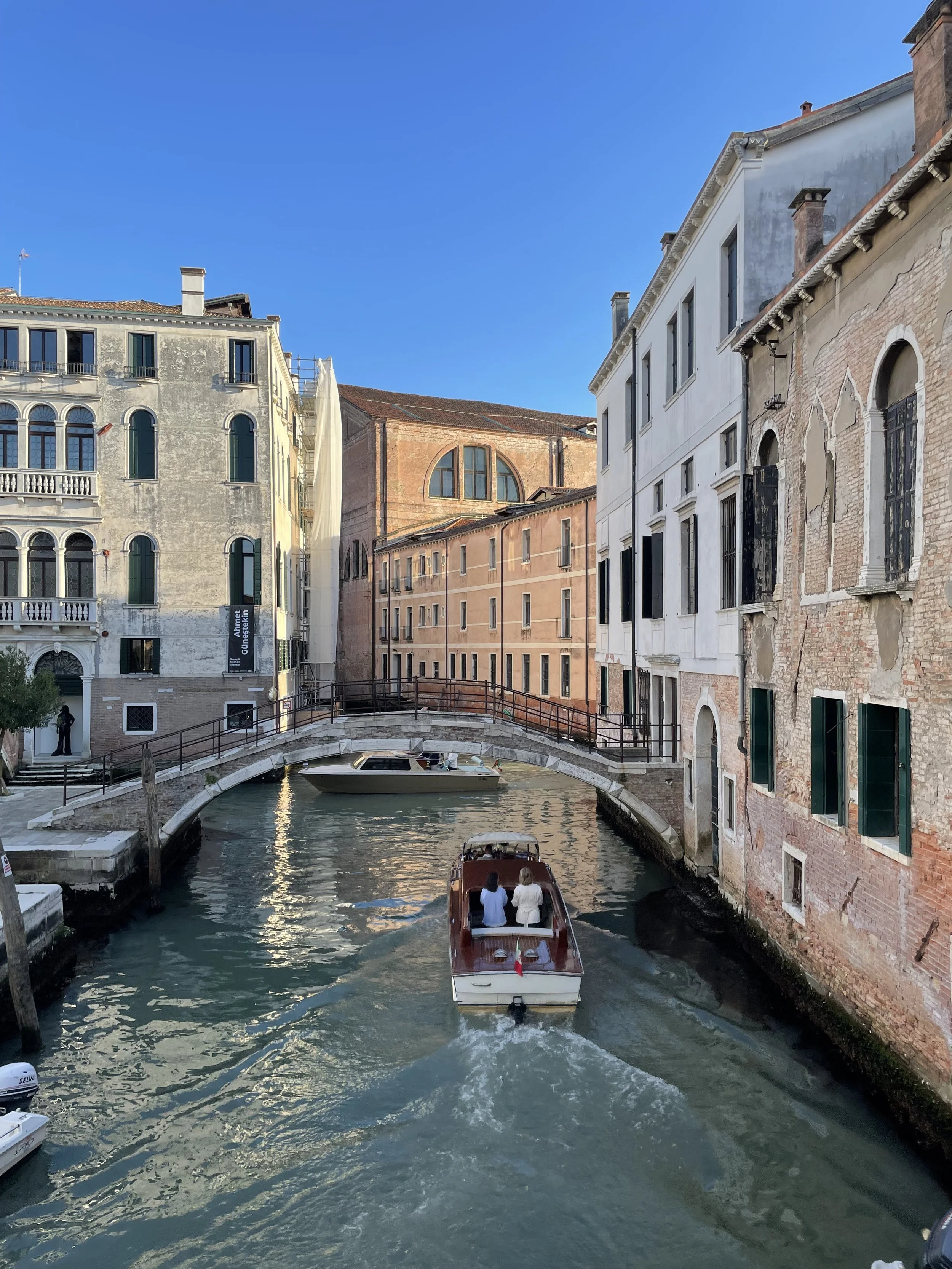
“There’s something strange going on tonight, there’s something going on that is not quite right,” Michael Stipe sings into my ears as I try to reach the Airbnb — but not before my first drink of the day: a lightly sparkling white wine and a cicchetto with a tiny anchovy and half a boiled egg. In my personal hierarchy of wines there exists a supreme category called Bianchino Frizzante. It’s not sparkling wine, not Prosecco, nothing refined. Where I come from it’s often a lightly fizzy Cortese; in Liguria maybe a barely sparkling Vermentino. Every Italian region, I think, has its own personal Ferrarelle of wine. Fresh and mineral, it goes with everything, but it’s at its best with food eaten standing up, sandwiches on the beach, and long Sunday lunches in summer. The eye inside a triangle on the pediment of the Church of Santa Maddalena stares at me. It knows exactly who I am. I’m so familiar with guilt that I feel judged even by a stone eye.
“Drink less, Lorenzo” it seems to tell me. “Quit smoking.” It’s incredible how the superego can materialize itself into almost anything. Naturally I ignore it and continue with another cicchetto — baccalà mantecato and another lightly sparkling white, maybe Malvasia — at Cantina Vecia Carbonera. It’s curious that directly across from a church full of Masonic symbols there’s an inn whose name recalls the Carbonari. I climb up to the apartment: smell of tobacco and incense. I immediately switch on a red Brionvega radio and a sitar begins playing, with those sudden empty spaces and suspended notes that sound faintly unsettling. The owner isn’t there. I don’t even really know who he is — just an email address I interacted with. He left the keys under the doormat.
A Venetian Carnival mask watches me from the wall. It already seems to know me. “Drink less, ciucatùn,” it tells me inexplicably in Piedmontese. Two walls of Russian books crammed into old walnut-colored Formica shelves. Low orange lights. From a vase emerges an iridescent bouquet of peacock feathers, the only burst of color in a house otherwise made of neutral tones. I suddenly remember there’s an R.E.M. song that opens with a sitar: King of Birds, from Document. I pick up a book — it’s Khodasevich. Apparently even in his time he complained about Venice becoming the world’s toy.
Soon I get thirsty again and rush to Vino Vero, recommended by a Venetian friend and, more importantly, a heavy drinker like me. Two green eyes greet me behind a beautiful wooden counter where a giant bowl of ice holds bottle after bottle of wine. I immediately recognize an Anisos by Eugenio Rosi: Nosiola, Pinot Bianco and Chardonnay, a delicate yet tense white wine, perfect with two cicchetti — one with octopus and hummus, the other with croaker fish and tzatziki. The place is undeniably fashionable, with a clientele more international than Venetian, but without the smugness typical of certain natural wine bars. The wines are chosen carefully, the bartenders know what they’re doing, and above all nobody seems interested in teaching you a lesson through wine. By the third glass I’m chatting with the bartender, who eventually gives me a list of bacari worth drinking at.
La Sete, just above the first bacaro, is hosting a party of loud but ultimately harmless recent graduates. They don’t intimidate me, and I order my Venetian wine of choice: Soave and Garganega. The Ca’ Rugate is fresh, savory, playful — a wine seemingly designed to hold together the noise of crowded rooms and the saltiness of smoked swordfish cicchetti. As I sip it, I remember when I used to sell wine to the English: a people with a fascinating, almost vitamin-like relationship to alcohol. They especially loved the Garganega I served in a restaurant near Arsenal Stadium. In my sun-drenched and wine-soaked pilgrimage, like Saint Magnus, I too experience a mystical vision upon entering the Church of the Holy Apostles. I look for Giambattista Tiepolo’s painting with the eyes of Saint Lucy. They stare back at me as if they had always known I would one day arrive in Venice.
I wander through the church, maybe like a dog searching for an owner. Shafts of light cut across marble columns; behind the main altar, chairs are piled up like in a storage room. There’s nobody there and I let myself collapse onto a pale wooden chair in search of a moment of silence. But silence no longer exists for me. For the past two years a constant ringing has been sounding inside my brain. A gigantic wooden Jesus watches me. I go back outside searching for something else to drink. On the vaporetto there are tourists from all over the world and families with strollers and crying children — I honestly can’t imagine a more inconvenient place for a holiday with kids.
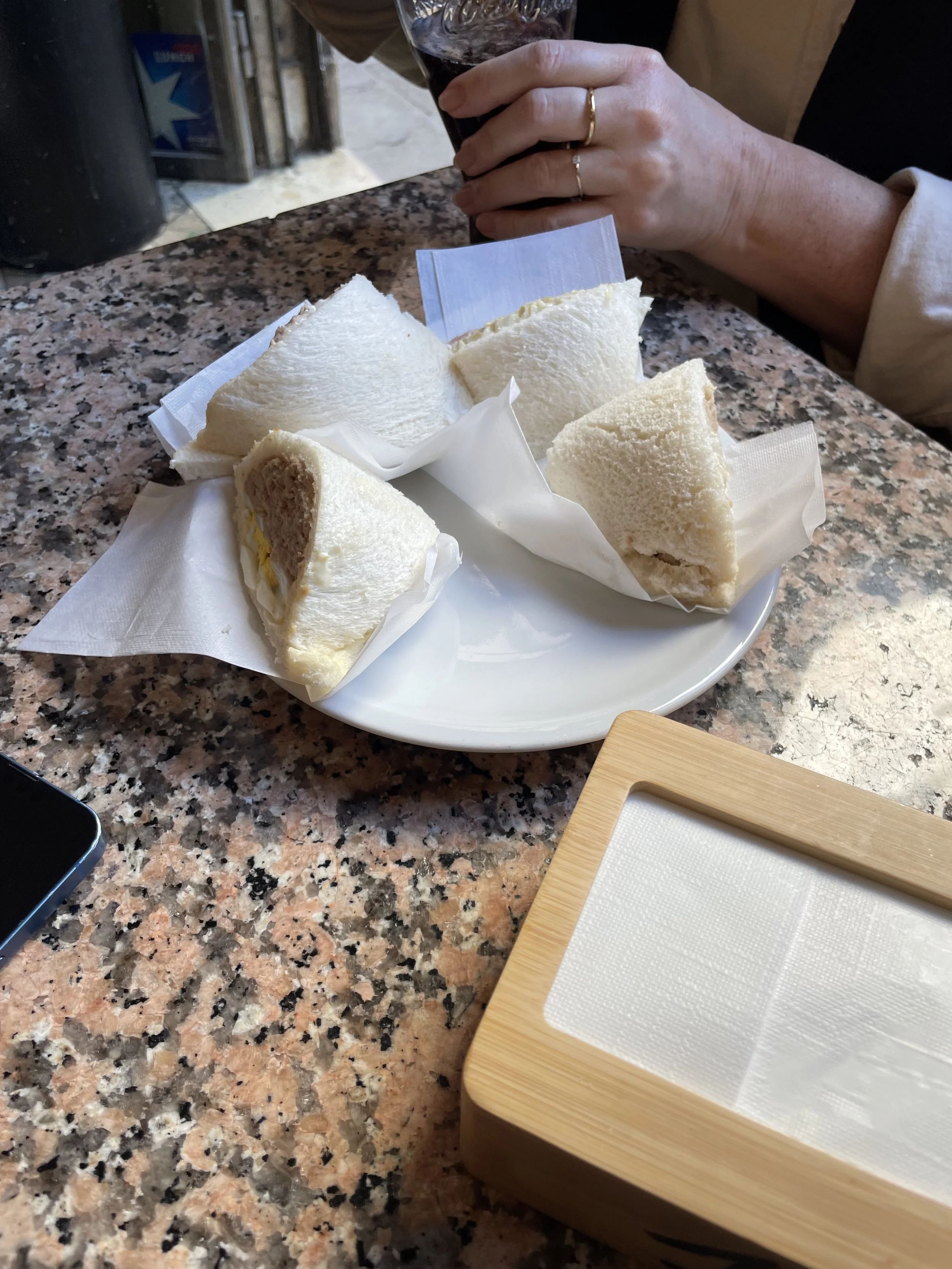
A Tuscan woman screams at a foreign tourist who accidentally bumped into her while the boat rocked. He apologizes without understanding, while she keeps explaining louder and louder. I arrive in Dorsoduro and rush into Bar alla Toletta for a Select spritz and two tuna-and-hard-boiled-egg sandwiches. God, this little spritz is good. One more, why not. I’m on vacation.
Night is when Venice becomes truly beautiful. Few lights, most tourists gone, only residents and scattered bodies left drifting between hotels. At Il Vizietto in Campo San Stin I start drinking chilled Merlot kept in ice buckets. I listen to R.E.M. in my headphones to cover the tinnitus a little and read Khodasevich:
“I look from the window, and despise,
I look at myself, equally despised.
I call thunder down upon the earth, without believing in heaven.”
I eat dinner in a small osteria: bigoli with anchovies and another sparkling little white wine. Then the walk home, with that light alcoholic momentum still holding the body together.
At night Venice becomes a maze of identical alleys, closed courtyards, gardens with motionless cypress trees staring at you lazily. An orgy of solitude, as Antal Szerb once wrote, leaving the smell of people on the stones.
I sleep badly. In my dream, the face of a woman stares at me while trying to strangle me. I wake in the dark and see Venice completely motionless outside my window. Moonlight cuts the OM t-shirt I slept in cleanly in half.
San Marco in the morning isn’t too crowded, so I indulge myself: a martini at Caffè Florian. Decadent, suffocating, the image of a world that disappeared three hundred years ago — the perfect place for me.The cathedral glitters in the sunlight and I watch tourists walking around with that slightly suspended expression we all have when visiting somewhere unfamiliar. An English couple crosses the square. They walk slowly. He has rosacea on his nose, she wears a thin string of pearls. They barely speak but keep embracing each other. At lunch I discover Cantina Do Spade, where I order first a still white and then a sparkling one with spicy meatballs, fried cod and scallops au gratin. Maybe I overdo it with the wine because I have to return to the Airbnb to rest and read on a red leather armchair burned through with cigarette ash. I turn on Rai Radio 3, which keeps me company for a couple of hours while they discuss wars on Europe’s borders.
Toward evening I emerge from the haze of wine and decide to explore a quieter part of the city: Castello. I walk through almost deserted alleys. I peek into half-empty shops, the Venezia FC club, osterias, even a squat that seems frozen in the 1990s. The palaces appear to float beside me. I have the sensation that I’ve already walked through this street before. Or maybe not. My phone has no signal. After a couple of beers I eat at a local restaurant, but the smugness of both the service and the cooking distances me from the plate itself, so I eat little and drink too much: a soulless Bardolino rosé. I put on another record stored in my memory — Drive starts playing, no longer early R.E.M., but good R.E.M.
I walk home hungry and slightly drunk, without fully recognizing the streets anymore. The bridges seem to repeat themselves, or maybe they are always the same bridges and my phone simply refuses to connect. I pass what during the day had been a hospital, but now it’s closed and completely dark. I can’t understand how a hospital can close. Without knowing how, I find myself once again in San Marco, this time almost empty. A few photographers stand perfectly still photographing gondolas tied beneath an enormous moon. Every time I try to look at their faces, they raise their lenses in front of their eyes. For a moment, I’m no longer sure who is watching whom.